
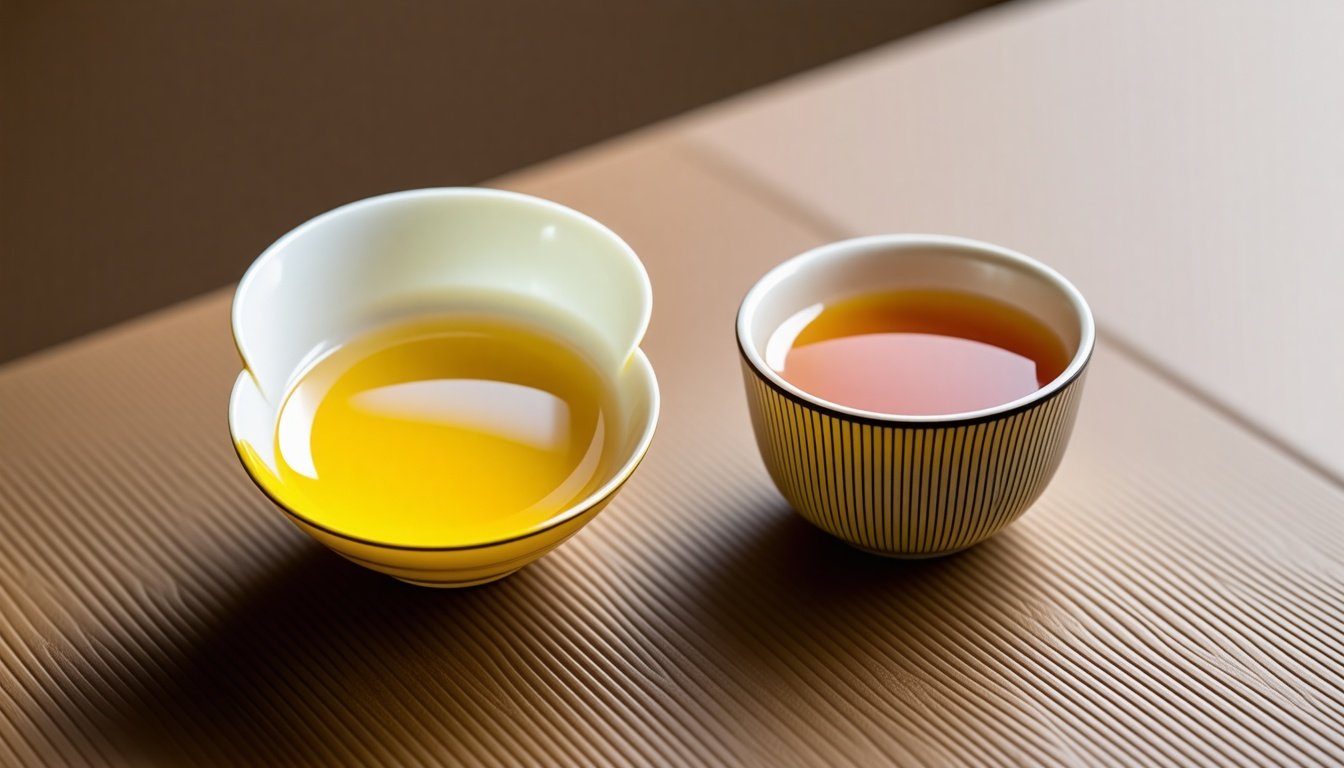
So, I decided to try something new. Something I had never even thought much about before: brewing yellow tea. You might be scratching your head right now. Yellow tea? What on earth is that? If you are anything like me, your tea world probably spins around black, green, and maybe the occasional fancy oolong. Yellow tea quietly sits on the sidelines, waiting for curious souls like us to give it a shot.
It turns out, yellow tea is a rare, gentle jewel in the tea family. It kind of feels like that shy friend at the party who does not say much but has the most interesting stories if you just listen closely. I had never brewed yellow tea before. I had read about it but never gotten my hands on it till recently. What happened next surprised me in ways I never expected. So, let me share how my little yellow tea adventure unfolded, and why it was more than just steeping leaves in hot water.
Why Yellow Tea? The Little Story Behind My Curiosity
I cannot remember where or when I first heard about yellow tea. Maybe it popped up in some tea blog or a YouTube video by an enthusiastic tea lover. What caught my eye was how rare it is. Unlike the common green or black teas, yellow tea is produced in very limited quantities. It has a distinct processing method that involves slow steaming and “sealing yellow,” which sounds mysterious enough to pull me in.
Honestly, I was also craving a new taste, something different from my usual teas that sometimes felt too bitter or too strong. Something soft, mellow, and kind of soothing. Yellow tea reportedly delivers a smooth, slightly sweet flavor with no bitterness. So, that sounded promising.
But here is the thing. I was also scared. How sensitive is this tea? How exactly do I brew it without wrecking the delicate flavors? The last thing I wanted was to overheat it or brew it forever and end up with some bitter, sad cup of disappointment. Tea is an art, and I was the clumsy painter.
Getting Started: The Hunt for Yellow Tea
I went online and found a few places selling yellow tea. They all sounded fancy, like “Jun Shan Yin Zhen” or “Meng Ding Huang Ya.” I picked a beginner-friendly one that claimed to be fresh, high-quality, and imported directly from China. The price was more than my usual green teas but still affordable enough to not make me feel like I was riskily splurging.
When the package arrived, it was wrapped tight and smelling faintly sweet already. The leaves looked different from my usual green tea. They were tiny, twisted, and had a pale, golden-yellow hue. I felt like I was holding a secret in my hand.
Time to Brew: What I Did, and Yep, I Messed Up
Here is where the fun began. I remembered reading that yellow tea is best brewed at lower temperatures than black tea, similar to green tea, around 160 to 175 degrees Fahrenheit (70 to 80 degrees Celsius). So, I boiled water and let it cool. I did not want to burn the leaves or kill the delicate flavors.
I measured about two grams of tea leaves for 150 ml of water, which seemed like the sweet spot according to the little instructions I found online. Then, I poured the water over the leaves in my favorite glass teapot, eager and nervous at the same time.
At first, I thought, “Okay, steep for two minutes,” but ended up leaving the tea a bit longer because I was chatting with a friend on the phone. I was worried it might become bitter, but guess what? It did not. Instead, the taste became richer, smoother, and even sweeter. Big surprise number one.
The Surprising Taste Journey
When I finally took a sip, my mouth got a cozy warm hug from the tea. It was silky, mellow, and kind of sweet with a very subtle fruity note. No sharp bitterness. None of the grassy punch you get from some green teas. Just this calm, velvety smoothness. It was like the tea was whispering, “Take it easy, buddy.”
I kept sipping slowly, feeling the warmth settling in. Normally, I gulp my black teas because I need that caffeine jolt, but this was different. Yellow tea invited me to slow down, breathe, and enjoy the moment. I finished the cup feeling oddly peaceful and refreshed. Strange for a beverage, right?
The Brewing Process: What You Should Know
Here is the lowdown if you want to try yellow tea yourself but want to avoid my initial fumbles.
- Use soft water. Hard water can mask the delicate flavors. Filtered or spring water works best.
- Keep the temperature low. Around 160-175°F. Hotter water burns the leaves and makes the tea bitter.
- Use a small teapot or glass cup. Since the leaves are tiny, you want to see them dance in the water.
- Steep for 2-3 minutes. You can extend it to 4 minutes if you like a richer flavor but do not go beyond 5 minutes.
- Multiple steeps are possible. Like oolong tea, you can brew it several times. Each steep reveals new flavor layers.
What really blew my mind was the way the tea leaves slowly unfurled and the color shifted from pale yellow to a light, golden amber. Watching the tea bloom felt like watching a sunrise in a cup.
Three Funny Things That Happened Along the Way
Okay, not everything went perfectly smooth. Here are a few funny moments that made my yellow tea experiment way more interesting than I anticipated:
- The Forgetful Steeper: I left the tea brewing for way too long on one attempt. When I finally remembered, I braced myself for disaster. Nope. The cup was even better. Lesson learned: yellow tea can be forgiving sometimes.
- The “My Cat Wants Tea” Moment: My cat, Mr. Whiskers, jumped on the table right as I was about to pour. He stared at the teapot like it was some alien vessel. I swear, even he looked curious. Sorry, buddy, no caffeine for you.
- The Temperature Tango: I tried brewing with too cold water once, about 130°F. The tea tasted flat and kinda shy. That helped me realize temperature makes all the difference.
Why Yellow Tea Feels Like a Tiny Celebration
After this experience, I feel yellow tea is like a soft little party for your senses. It does not shout or slam the door open like coffee or many black teas. It invites you gently, asks you to slow down, and appreciate small moments. And when life is speeding like a race car, little calm pockets like this are lifesavers.
Plus, yellow tea has a fascinating history and tradition behind it. It has roots in ancient China and used to be highly prized by emperors. It carries that quiet, noble vibe that makes you feel like you are part of a secret tea club.
What I Learned and What I Keep Doing
Since that first brew, I have made yellow tea part of my routine. I pull it out when I want a break, a pause, or just a gentle lift. I learned that brewing tea is never just about hot water and leaves. It is a little ceremony, a mindful moment, a chance to slow down and appreciate something simple yet profound.
If you want to try yellow tea, remember it is okay to mess up. Tea is forgiving. It will teach you if you listen. Experiment with temperatures, steeping times, and leaves. Enjoy the quiet unfolding and the little surprises along the way.
So, next time you see a pouch of yellow tea, grab it. Brew it with care. And who knows, like me, you might discover a new favorite friend waiting quietly in those golden leaves.