
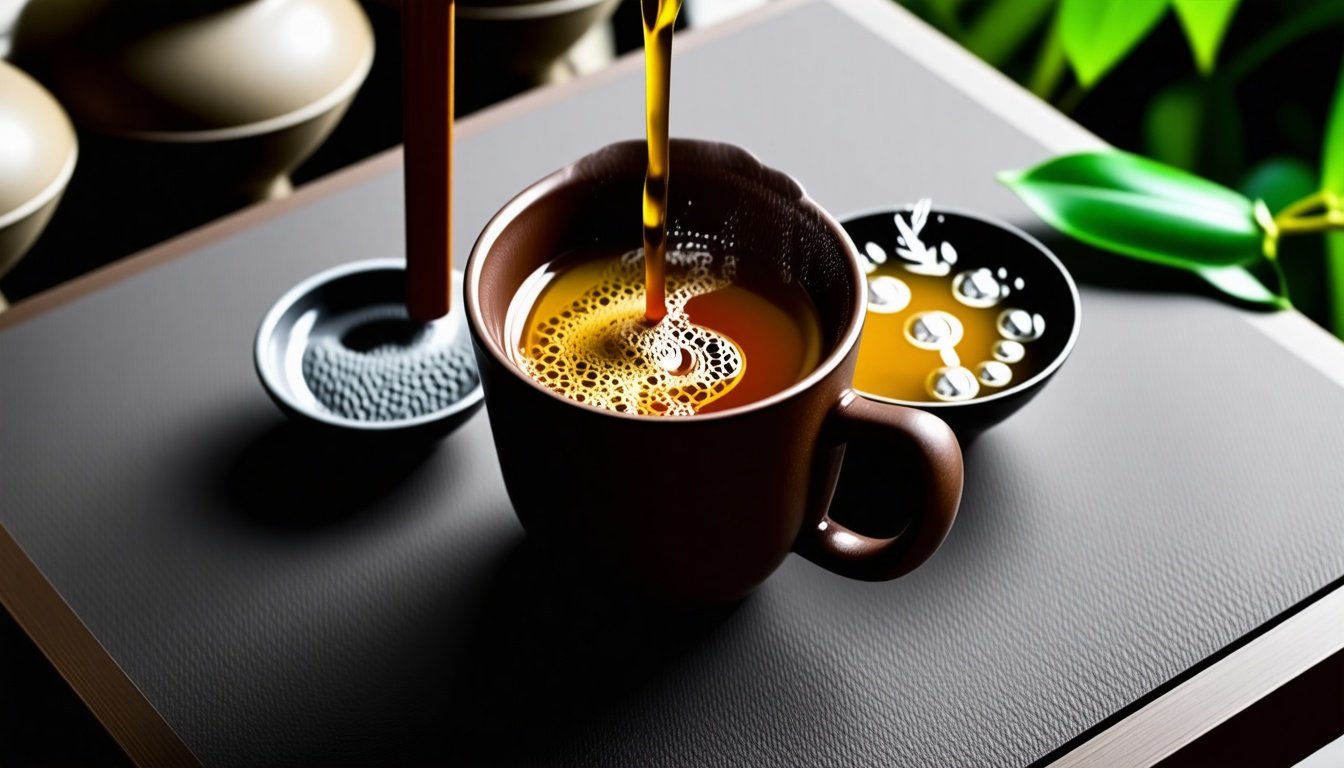
Have you ever had a cup of tea that felt like more than just a drink? Like it turned a boring moment into something richer, quieter, more alive? That is exactly what happened when I started brewing Gongfu style at home. It was not just about making tea; it was about slowing down and paying attention to every little thing. The way the leaves dance, the smell that curls up your nose, and the tiny moments of calm that sneak into your day.
If you have heard about Gongfu tea, you might picture an ancient Chinese ritual, a complicated dance with tiny pots and tiny cups. At first, I thought it looked too fancy or too much work. But as I got into it, I realized Gongfu style is just a way of showing respect for tea and for the moment you share it in. And guess what? It is easier than it looks. Plus, it brings along benefits I never expected.
What Exactly Is Gongfu Style Brewing?
Before I tell you what I gained from it, let me start with the basics. Gongfu tea brewing is a method that comes from China. The name “Gongfu” means skill or effort, showing that brewing tea is an art needing practice and love. The key here is to make tea in small amounts, using a lot of tea leaves, multiple short steeps, and very warm water. This highlights each tea’s flavor and personality like nothing else.
So instead of dumping a ton of leaves in a big mug and forgetting about it, Gongfu invites you to slow down, enjoy each infusion, and notice even tiny changes in taste as the tea evolves. The vessels are small, the tea strong, and the ritual close and personal.
Getting Started: No Fancy Gear Needed
I did not start out with expensive tea sets or tons of gadgets. Most people think you need a tiny clay pot called yixing and special cups. I just started with a small teapot and a kettle. If you like, you can use any small pot or even a large cup with a strainer. The magic is in the method, not the tools.
What you do need is quality loose-leaf tea and patience. I found oolong and pu’er teas work beautifully here, but you can experiment with green or black too. What matters is the leaves have good character and enough body to stand multiple infusions.
Why I Stuck With Gongfu Brewing
At this point, you might wonder why bother with all this fuss. I mean, I used to be a tea dunker. You know the type: endless sips from a big mug, maybe the same bag steeped for two hours. But once I tried Gongfu brewing, I could not go back.
- Tea tastes different. Better. When you brew small amounts with care, the flavors burst out. It is like hearing every instrument in a band instead of just muffled noise.
- It turned tea time into “me-time.” Pouring, watching, waiting just enough—not too much—takes your mind off the rush. It became a mini break, a chance to breathe.
- I felt connected. To the tea, the leaves, their journey from faraway gardens. It made me appreciate the little things and even the work behind my cup.
- I learned patience. You do not rush. You let the tea reveal itself, infusion by infusion. This patience crept into other parts of my life too, sneaky like.
Watching Tea Change Before Your Eyes
One of the coolest things about Gongfu style is seeing the tea transform. The first steep might be sharp and fresh, like a cool spring morning. The second softens, with sweet notes like honey or floral hints. The third could bring earthiness, the fourth almost chocolatey. Each cup is a tiny story.
I found myself paying attention to colors swirling in the pot, watching steam curl, smelling subtle aromas. It is a bit like meditation but without having to sit still and clear your head (which, honestly, is hard for me). Gongfu gave me focus that felt easy and natural.
What You Need to Brew Gongfu Style at Home
Okay, if you are starting to think this sounds nice, here is what helped me get going:
- Loose-leaf tea: Start with something decent, like a rolled oolong or a ripe pu’er. Avoid powders or dust from tea bags.
- Small brewing vessel: A gaiwan (those little lidded bowls) is perfect but you can use a small teapot or even a tiny mug.
- Water heater: You want to control water temperature. Boiling water is not always best. Green teas like cooler water, black teas like hotter.
- Tea cups: Small cups make each sip special and help control drinking pace.
- Timer or watch: Short steeps are important. Usually 10 to 30 seconds per infusion, increasing with each round.
If none of that sounds like you, no worries. Just find a small pot, some good loose leaves, and give it a whirl. You do not have to be perfect or fancy. The fun is in trying.
The Surprising Things I Gained Beyond Just Better Tea
Here is the heart of it: Gongfu brewing gave me more than just tastier tea. It opened a door to slowing down, noticing, and savoring life little by little. And in a world that is always pushing you to do more, faster, better, that was a gift.
1. Patience in a Hurry-Up World
I never thought I had much patience until I started Gongfu brewing. When you brew in quick, multiple bursts, you actually have to pay attention. Miss your timing and your tea may get bitter or too weak. You learn to listen to the leaves and follow their cues.
Outside the teapot, this spilled over. I noticed I was less twitchy waiting in lines or stuck in slow traffic. Weird how a little ritual with tea could help me chill in real life.
2. Presence in the Little Things
Tea tastes better when you slow down. And slowing down made me look around more—not just at tea but everywhere. The shape of my cup, the light through the window, the sound of rain on the roof. I started appreciating small moments everyday.
It is easy to miss these when your brain races or your phone buzzes nonstop. Gongfu gave me a reason to stop and focus on something simple and pure.
3. Connection to Something Bigger
Only after I started Gongfu brewing did I really get curious about where my tea came from. The farms, the farmers, the seasons. This little cup connects me to a faraway place and its history. It transformed tea from a mere drink into a kind of story or friendship.
Suddenly, tea was not just something I poured, it was something I respected.
4. A Mini Mind Vacation
Let us be honest. Life often feels loud and busy. Gongfu brewing offers a small bubble of quiet. You cannot rush it. Your hands move carefully, your breaths slow. It felt like giving my busy brain a mini holiday without leaving the kitchen.
These few minutes became a habit—a pause button in my day that made me calmer and happier.
How to Make Gongfu Brewing Less Scary
If you are thinking future-me will say “Get a special tea set, buy exact grinders, and read 50 pages of instructions,” forget it. The best thing about Gongfu tea is that it can be as simple or as fancy as you want.
- Start with what you have. A small pot, a mug with a strainer, or even a big cup with a spoon to scoop leaves.
- Use good water. This means fresh, clean, not chalky. It works wonders.
- Pick tea you like. Buy loose leaf from a shop that you trust or try different ones online.
- Make short steeps. Try 20 seconds, pour out, then repeat, increasing by 10 seconds each time.
- Enjoy the process. Do not stress about being perfect. Play with it, watch the leaves, sip slowly.
A Few Favorite Teas for Gongfu Brewing
After lots of experimenting, here are some teas that made my Gongfu journey fun and delicious:
- Oolong: Especially rolled ones like Tie Guan Yin or Wuyi Rock teas. They unfold beautifully across infusions.
- Pu’er: Both raw and ripe pu’er show amazing changes as you brew multiple times.
- Green tea: Like Longjing or Sencha. Needs lower water temperature but can do Gongfu style well.
- Black tea: Rich Assam or Yunnan teas shine with short strong brews.
If you want to get wild, try blending your own small batches; tea leaves love company.
What I Tell Friends Who Ask About It
People often say, “So how fancy does it have to be? Do I need to buy expensive kits?” I answer with a smile: “Nope, just patience, curiosity, and some decent tea.”
It is not about impressing anyone or following rules. Gongfu style tea is about finding a different rhythm and finding pleasure in tiny moments. You do not need a degree to enjoy it—you just need to want to slow down for a minute or two.
My friends who tried it told me they felt calmer, more present, and actually enjoyed tea more. One even started inviting friends over for little Gongfu tastings, making afternoons feel special without a big fuss.
Final Thoughts (But I Promise Not Too Fancy)
Who knew a few leaves and some hot water could shake up my whole idea about tea? Brewing Gongfu style taught me that good things come to those who wait, watch, and savor. It made me slow down in a way that felt natural and even joyful.
If you like tea but want to try something new, why not give it a shot? Put on some easy music, gather your little cups, and invite curiosity and calm into your day. It is less a project and more a small ceremony, a way to meet yourself over a perfect cup of tea.
And trust me, that cup tastes better than anything you have just gulped down in a hurry.