
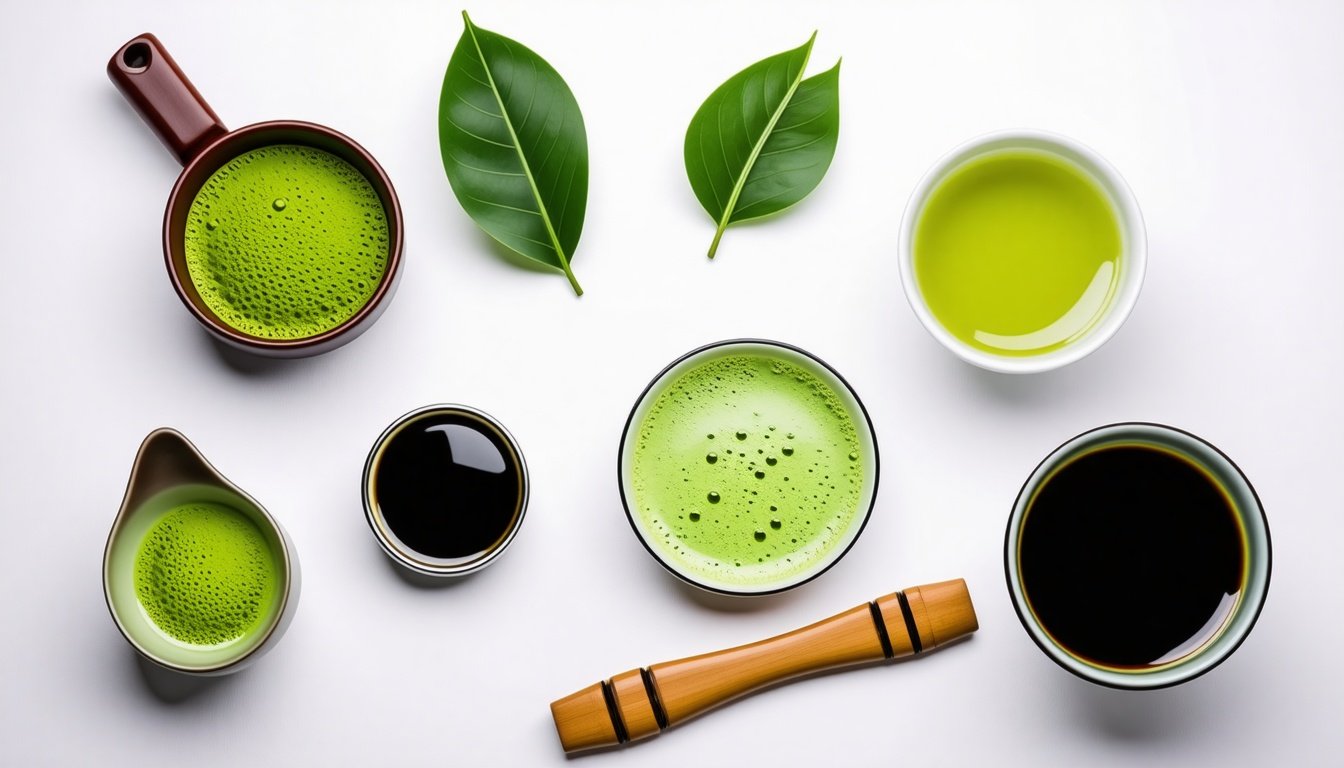
Let me tell you a secret: brewing matcha is not just about whisking some green powder into hot water. At first, I thought it was just “throw powder in, stir, sip.” Nope. It is an art form. A ritual. A moment to slow down and connect. But, like most things, the first attempts were… rough, to say the least. Maybe you have tried it too. Your matcha ends up bitter or lumpy, or you wonder why it looks nothing like those smooth, vibrant cups in pictures. Same here, friend. I wish someone had told me a few simple things from the start. That is why I want to share what I learned, the hard way, so you can skip the frustration and just enjoy the magic.
Why Matcha? More Than Just Green Tea
Matcha is not your everyday tea bag. It is finely ground green tea leaves, made into a bright, almost fluorescent green powder. When you drink matcha, you are consuming the whole leaf, not just an infusion. That makes it a powerhouse of antioxidants and a mellow caffeine kick that feels natural, not jittery.
But here is the catch: because you ingest the leaf directly, the taste can be intense. If you mess up the preparation, it’s like biting into a bitter green veggie you never wanted. That is what makes brewing it just right so important. It is not about fancy equipment or complicated steps, but about respect for the powder and knowing its personality.
Understanding Your Matcha Powder
Before you even touch water, take a moment to understand your matcha. Not all powders are created equal. Some are made for ceremonial sipping, fine and delicate. Others are culinary grade, designed for cooking or lattes, with a stronger, sometimes more bitter flavor.
- Ceremonial Grade: For pure, smooth sipping. Bright green, fine texture, subtly sweet.
- Culinary Grade: Slightly coarser, more bitter, best for blends, baking, or frothy drinks.
Do not get tricked into thinking all matcha is the same. If you want that traditional, deep flavor experience, get the ceremonial grade and treat it like a gem. For lattes or recipes, culinary grade is just fine.
Storage: The Silent Flavor Killer
Matcha hates air, heat, and light. Leave it loose in a cupboard and it will go stale in days. You will notice a dull, almost cardboard taste creeping in. That is why storing matcha properly is everything.
- Keep it in an airtight container, preferably one that is opaque.
- Store it in a cool, dark place. Some people even refrigerate it, but let it come back to room temperature before using.
- Use it quickly. Once opened, try to finish your matcha within a couple of weeks.
Trust me, fresh matcha tastes like a burst of spring in your mouth. Old matcha tastes like… well, something you want to forget.
The Water: Not Just Hot, But Just Right
Okay, so you have your matcha powder ready. Next step: water. Here is where so many trips happen. Boiling water sounds like a safe bet, right? Nope. Scalding water kills the subtlety and brings out bitterness faster than you can say “ouch.”
The perfect temperature is around 175 degrees Fahrenheit (80 degrees Celsius). If you do not have a thermometer, just boil water and let it sit for a minute or two before pouring.
Why this exact temperature? Because it unlocks the savory umami flavors without cooking the tea leaves into a bitter mess. It is like Goldilocks: not too hot, not too cold, just right.
Water Quality Matters
It might sound weird, but the water you use impacts the flavor. Tap water in some places carries chlorine or minerals that clash with matcha’s delicate taste. If your water tastes funny on its own, your matcha will, too.
- If possible, use filtered or bottled water.
- Use fresh water each time. Do not reuse boiled water.
The Tools: More Fun Than Fancy
Do not get dazzled by fancy matcha kits. Yes, having the right tools helps, but it is not a strict requirement. Here is what you will want:
- Chasen (bamboo whisk): This is the iconic, fanned-out whisk designed to aerate the matcha and bring that creamy froth.
- Chashaku (bamboo scoop): Traditionally used for measuring matcha, but a teaspoon works in a pinch.
- Matcha bowl (chawan): Wide and shallow, making whisking easier.
Do not stress if you do not have these. Use a small whisk or frother carefully. But be warned: whisking by hand with a chasen is oddly satisfying, almost meditative.
How Much Matcha? The Right Dose for Perfect Flavor
Here is the tricky bit. Too little powder means weak, watery tea. Too much and you get sludge with bitterness.
The general sweet spot is 1 to 2 grams of matcha per 2 to 3 ounces (roughly one teaspoon). For beginners, start small, then adjust. It is easier to add more powder than to fix over-concentrated matcha.
Whisking Like a Pro: The Secret Sauce
Now for the fun part. Pour your hot water over the powder, but not all at once. Use about 2 ounces first to mix into a paste. This step smooths out clumps before you add more water.
Grab your chasen and whisk vigorously in a zig-zag motion. Not circles, zig-zag. Imagine you are drawing the letter “M” or “W” with your wrist. It creates bubbles and froth, the kind you see in the best cafés. Whisk for about 15 to 20 seconds. Stop when you get a smooth foam on top, shiny and bright green.
If you do not whisk enough, matcha tastes gritty and you miss the texture. Over-whisking can break bubbles and cause bitterness. A short burst of energy is all you need.
How to Drink Matcha: Slow Down and Listen
Once your matcha is frothy and ready, do not gulp it down like coffee. Take small sips. Notice the layers of flavor: grassy sweetness, creamy texture, and gentle earthiness. It can warm more than your body—it can warm your soul.
Matcha is sometimes described as an “experience,” which sounds fancy but it is true. It pulls you into the moment, even if just for a few minutes.
Experiment, Play, and Make It Yours
Once you get the basics down, feel free to play. Mix matcha with milk (dairy or plant-based) for a latte. Add a hint of honey or vanilla if you like. Try cold matcha with ice for summer days. Or sprinkle matcha powder on desserts for a green twist.
The best part is that matcha’s strength lets you be creative without losing its character.
Common Mistakes I Made (So You Don’t Have To)
- Using boiling water: I would dump boiling water like it was nothing. Result? Bitter, harsh tea that made me cringe.
- Not sifting powder: Matcha powder clumps easily. Not sifting means lumpy, unpleasant bites.
- Whisking too slow: I tried to be gentle. Nope. You need that energetic zig-zag to create froth.
- Leaving matcha open: The powder went yellowish and flat-tasting over a week.
- Using wrong powder: I bought culinary grade for everyday sipping and was confused why it tasted ‘off.’
I made all these mistakes and then some. Now my mornings are brighter, smoother, and just a little more special. Hopefully, your matcha journey will bypass these potholes.
Final Thoughts: Matcha Is a Friend Worth Learning
Brewing matcha is not about perfection—it is about connection, patience, and a little bit of fun. At times, it feels like a secret handshake with centuries of Japanese tea culture. Other times, it is simply a moment to breathe.
If you take away one thing from this, let it be this: respect your powder and your water. Be gentle but lively with your whisk. And sip slowly, savoring each cup.
With these tips in your pocket, your matcha can go from “meh” to “wow” without stress. One cup at a time.