
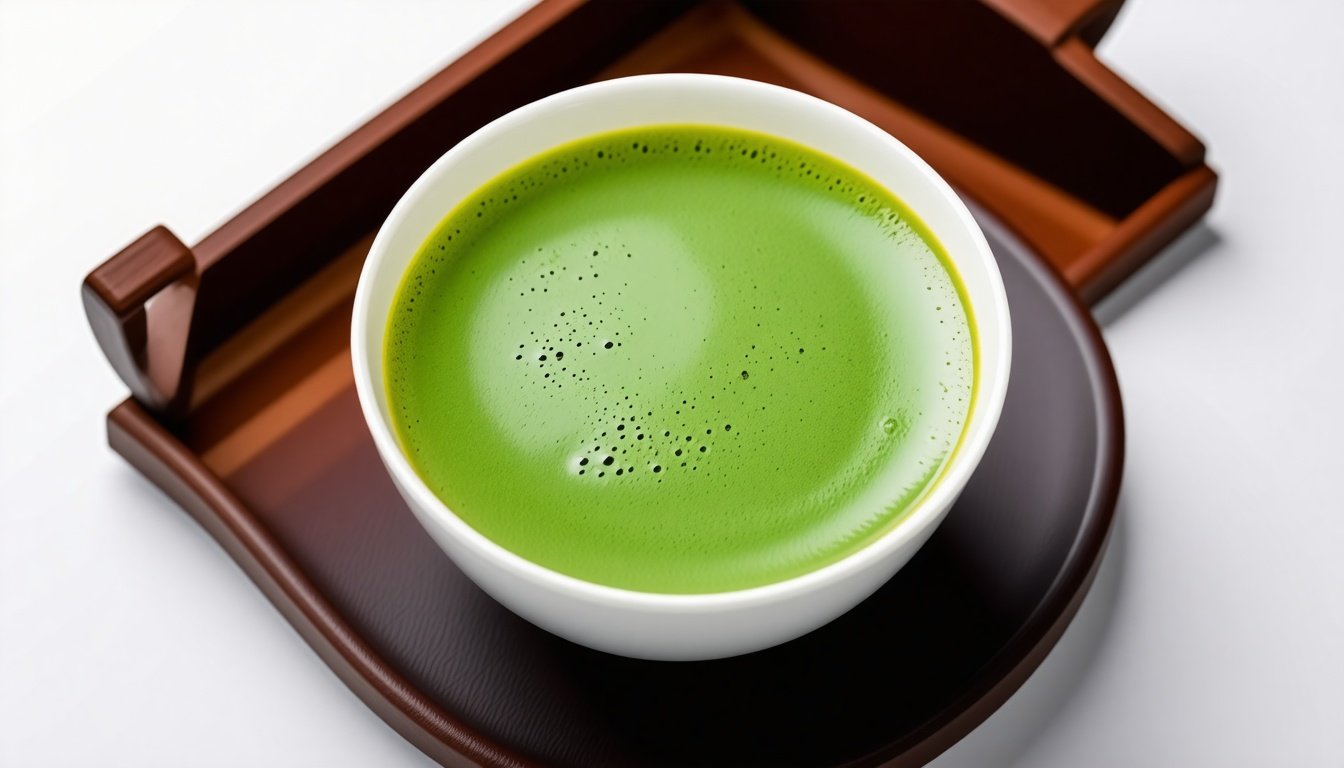
If you have ever watched someone make matcha with mesmerizing grace, whisking that bright green powder into a smooth, frothy cup, you might have thought, “How do they get it so perfectly creamy without a hint of grit?” I used to wonder the same thing. I tried whisk after whisk, bowl after bowl, often ending up with a bitter, clumpy mess or a watery, lifeless cup. Honestly, it felt like matcha was some secret being guarded by tea monks on a mountain far away.
Why Matcha Is Not Your Average Tea
Before we jump into the how, a tiny reality check on what matcha really is. Unlike your standard tea leaves that you steep and toss out, matcha is stone-ground green tea leaf powder. You consume the whole leaf, which means you get all the goodness—antioxidants, caffeine, and that unique umami flavor. Think of it as tea, but more intense and alive.
This also means the quality of matcha powder matters. You do not want cheap stuff that tastes like grass clippings mixed with chalk dust. No sir. The good stuff is vibrant green, smells fresh, and feels almost silky to touch. It might cost a little more, but your cup will repay you tenfold.
Choosing Your Tools: What You Really Need
You do not need a collection of fancy gadgets (though those are fun). But having a few essentials helps:
- Matcha bowl (chawan): A wide bowl is great because it gives room to whisk vigorously and create froth.
- Bamboo whisk (chasen): This is not just a whisk. It is a magical little tool specially designed to break up powder lumps and create that creamy foam.
- Bamboo scoop (chashaku): To measure your powder elegantly, but a teaspoon will do.
- Fine strainer: You want to sift that powder to avoid clumps.
- Hot water: Not boiling. More on that later.
If you do not own a bamboo whisk, do not panic. An electric milk frother or even a small kitchen whisk can work in a pinch, but it will not give you quite the same experience.
Step One: Sift Like a Pro
Here is a secret the pros do not always share. You cannot just dump matcha into a bowl. No sir. The powder loves to clump. Those lumps become gritty sticky bits in your cup, and that ruins the texture completely.
So, get a fine mesh sieve, and sift your matcha powder through it before whisking. Usually about one to two teaspoons is perfect for one cup, but feel free to experiment. When you push the powder through the strainer, it loosens up, making it easier to whisk and blend evenly.
Step Two: Water Temperature Matters
This part can make or break your cup. Hot water that is too hot will scorch the delicate green powder, turning it bitter and harsh. But if the water is too cool, your matcha will not dissolve properly, leaving behind a dull and flat drink.
The sweet spot is about 160 to 175 degrees Fahrenheit (70 to 80 degrees Celsius). That is around the temperature right after your water boils but has been allowed to rest for a minute or two. If you do not have a thermometer, just boil water, then pour it into your cup, wait 30 seconds, then pour it into your matcha bowl.
Step Three: Add Just Enough Water
One common mistake is pouring in too much water. Matcha is all about concentration. For a traditional thick bowl of matcha, use about 2 ounces (60 ml) of hot water. If you want a lighter drink, you can add more water after whisking, but start small.
Adding water gradually helps control the strength and creaminess of the final cup. Too much water too quickly dilutes the taste and kills the foam. Nobody wants that.
Step Four: Whisk Like Your Zen Depends on It
This is the fun, messy part. Hold your bowl steady, but do not squeeze it too tight because you need freedom to whisk fast. Grip your bamboo whisk with a gentle but firm hand.
Now, here is where most people get stuck. You might think stirring slowly is the key, like stirring soup, but nope. Whisk your matcha with fast, sharp zigzag motions—like making the letter “M” or “W.” The goal is to rush air into the mix to create a dense, velvety froth on the surface.
Whisk for about 15 to 30 seconds, stopping when the foam is thick and bubbly with no visible clumps. If you see bits floating or the powder settled at the bottom, keep at it.
Step Five: Taste and Adjust
After all that work, your matcha should taste smooth, creamy, and slightly sweet with a hint of grassiness. If you feel it is too strong or bitter, try less powder next time or add a splash more water after whisking.
If it is too weak, add a touch more matcha powder but remember to sift it. Do not overload the bowl, or you end up with a lumpy mess instead of a silky sip.
Optional Extras: Make It Your Own
Matcha is both a tradition and a playground. Feel free to play:
- Sweeten it up: Add a little honey or maple syrup to smooth out bitterness.
- Milk magic: Stir in some warm oat, almond, or cow’s milk for a creamy latte vibe.
- Spice it: A dash of cinnamon or cardamom can add a surprising twist.
- Chill out: Whisk and pour over ice for a refreshing iced matcha that still feels luxuriously smooth.
But remember, with or without extras, the foundation is that well-whisked, vibrant, and creamy cup.
Why Bother Brewing This Way Anyway?
You might be wondering why fuss so much over a simple green powder? Well, matcha is not just a drink. It is a moment of calm in a loud world. A pause. A chance to connect with yourself over something ancient and alive.
When you brew matcha properly, you engage all your senses. The vibrant color, the gentle whisking sound, the fresh grassy aroma, the smooth texture, the subtle bittersweet taste, and finally, the quiet energy it delivers. It feels like a little gift you give to yourself—one that makes even Monday mornings a bit sweeter.
A Few Troubleshooting Tips
If you try this and feel your cup is still not quite right, do not throw in the towel. Matcha is almost like a plant with moods. It takes a little practice and patience, but here are some quick fixes:
- Too bitter? Use cooler water or less powder, and whisk longer to aerate.
- Not frothy? Whisk faster with that zigzag motion and sift your powder.
- Grainy texture? Try a finer sieve or whisk longer.
- Too weak? Add a smidge more powder, but do not overdo it.
Final Thoughts
Making matcha is not about perfection. It is about ritual, discovery, and joy. It is about sitting down, slowing your breath, and savoring something green and bright and alive swirling in your bowl. Every cup is a little story—sometimes rough, sometimes smooth, always authentic.
So next time you crave that smooth, creamy cup, remember these simple steps. Sift that powder, mind your water temperature, whisk like a maniac, and sip slowly. Let the matcha do its quiet magic. Your taste buds—and soul—will thank you.