
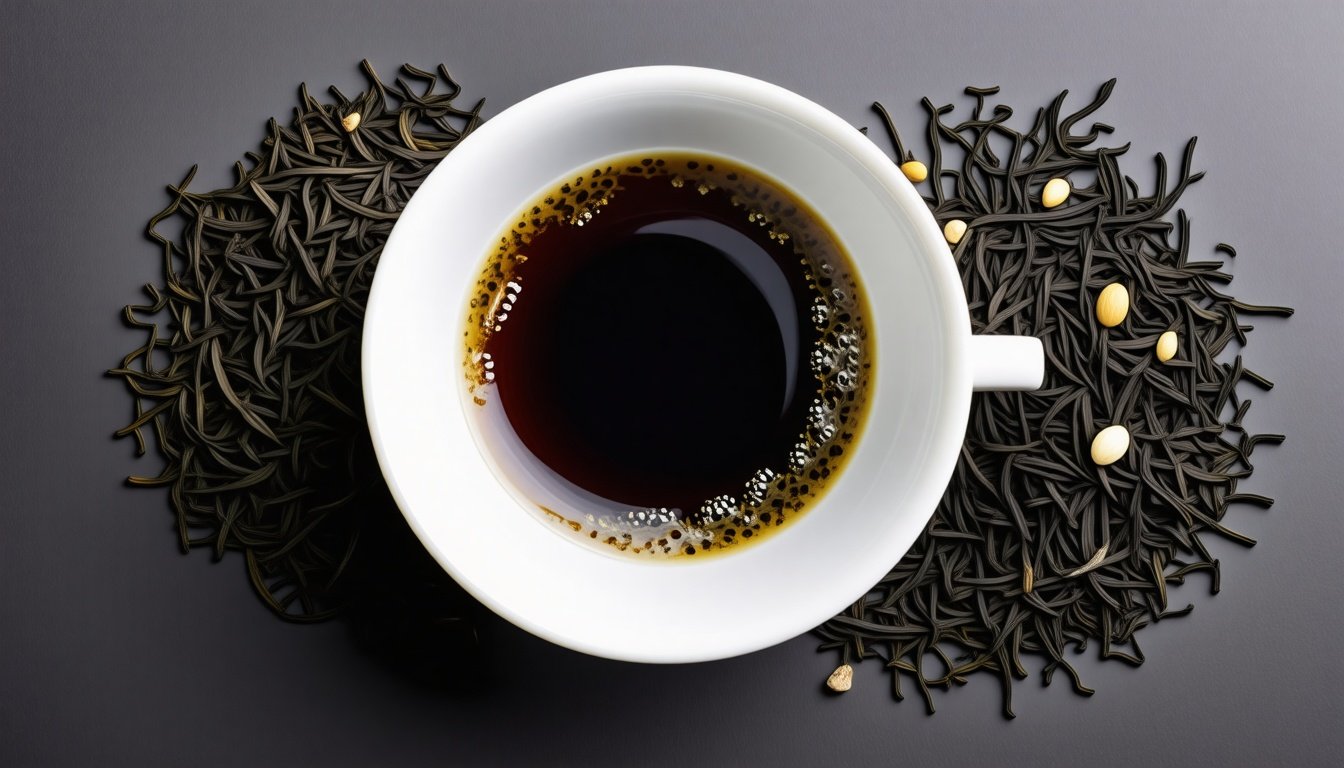
I used to be all about those little tea bags. You know the ones—sitting in a mug, barely swimming in water, looking half-hearted, and tasting like disappointment. Earl Grey was my go-to tea, no question. But something changed the day I accidentally found myself holding a tin of loose leaf Earl Grey. It felt fancy, intimidating even. “Who needs loose leaf?” I asked myself. “A bag is simpler.” Yet, here I am, months later, refusing to go back. Why? Because I discovered a whole new way of experiencing tea that feels… well, alive.
Loose leaf Earl Grey is one of those things that sneaks up on you. It is not just tea; it is a little ritual, a quiet moment you create for yourself in the middle of a busy day. If your tea has ever tasted like hot water with a hint of sadness, loose leaf might just be your saving grace. I am here to tell you why I switched, what makes it better, and how I get it just right every single time.
The Problem with Tea Bags
Let us start with the obvious: tea bags. They are everywhere. Airports, offices, kitchens. They are quick and convenient. But what do you sacrifice for that convenience? Flavor. Aroma. Soul. Tea bags tend to hold crushed tea leaves—dust and fannings in tea-speak—the leftovers of the real deal. When steeped, they release flavors fast but shallow. It is like rushing through a beautiful movie and missing the best scenes.
Plus, those little bags can be a bit stingy with how much tea they hold. Most times, they do not even fill the standard one-and-a-half teaspoon of loose tea recommended for a good cup. So, your tea ends up diluted, weak, or worse, bitter if you let it steep too long. You barely get to taste what the tea was meant to be.
And Earl Grey, the classic black tea scented with bergamot, has layers. Layers that a bag will never fully express. It is like eating fast food when you have a plate of gourmet waiting just a few steps away.
What Makes Loose Leaf Earl Grey Different?
Loose leaf tea is the tea leaf in its happier, less cramped life. The leaves are typically whole or only partially broken. That means they retain their oils, their fragrance, their character. When you drop them into hot water, they swell, float, and dance around, releasing flavors that feel alive.
Earl Grey shines brightest as loose leaf because the bergamot’s citrusy brightness and the tea’s natural malty notes get to mingle properly. The bergamot oil is usually added to the dried tea leaves, and with loose leaf, that delicate fragrance does not get crushed or lost in a tiny paper pouch. You get a full aromatic hug that makes waking up feel like a tiny celebration.
It is also kind of fun to watch the leaves unfurl. It feels like you are part of some secret tea sorcery. Some leafy magic happening right there in your cup. Trust me, it makes sipping all the sweeter.
How I Brew My Perfect Cup Every Time
Brew tea? Sure, you can. But brewing it well? That deserves some respect.
Step One: Choose Good Leaves
Not all loose leaf Earl Greys are created equal. Find a vendor you trust or a brand that uses quality leaves and real bergamot oil. You want dark, crispy leaves with a bright citrus scent to the dry tea. If it smells like perfume or nothing at all, move on.
Also, mind the storage. Keep your tea in an airtight container away from light and strong smells. Tea is a scent sponge. You do not want your Earl Grey smelling like old shoes.
Step Two: Measure Carefully
About one teaspoon per cup (or 200 ml) is a good starting point. Some like it stronger and take a heaping teaspoon. I tend to go for a rounded teaspoon, but if I am feeling fancy, I add a little more. Loose leaf lets you play this game of strength and flavor. Tea bags? Not so much.
Step Three: Water Temperature Should Be Just Right
Black tea likes hot water but hates the boiling drama. Ideally, aim for about 90 to 95 degrees Celsius (or 195 to 203 Fahrenheit). Water boiling furiously will scorch the leaves and turn your tea bitter. If you do not have a thermometer, just bring fresh water to a boil, then let it sit for about 30 seconds before pouring over the leaves.
Step Four: Steeping Time
Around three to four minutes is the sweet spot for Earl Grey. Too short, and you will miss flavor. Too long, and bitterness sneaks in. Be close to your watch or phone timer because once you let it steep too long, there is no going back.
If you like it stronger, try four minutes but no more than that unless you like a messier, tannic cup.
Step Five: Use the Right Tools
If you want, you can steep loose leaf tea in a teapot, a tea infuser, or a French press. Avoid tiny strainers—the leaves need room to float and do their thing. Crowding them will suffocate the flavors, kind of like trying to dance when someone is sitting on your foot. Not fun.
I use a simple glass teapot with a built-in infuser. It lets me see the leaves dance and makes clean-up easy. Watching the color swirl and deepen while the tea steeps feels cozy, like I am making a tiny magic potion.
Adding the Final Touches
Good Earl Grey does not need much. Some like it plain, some with a slice of lemon to brighten it. I prefer a splash of milk sometimes—though I hear purists clutch their pearls at that. Adding milk softens the bergamot’s floral edges and makes the tea feel smooth and comforting, like a hug in a mug.
If you want to sweeten it, honey or a tiny spoonful of sugar works. Just not too much. You want to taste the tea, not a sugar bomb.
Why It Feels Special
Loose leaf Earl Grey is not just about taste. It is about slowing down. It is a daily ritual that asks you to pause and notice. You fill the kettle, measure leaves, watch them unfold. It is an act of kindness to yourself, a moment where your hands are busy but your mind can drift.
In the rush of life, these little ceremonies matter. They remind me that life is made up of small pleasures. The warm cup between my hands. The scent of bergamot rising like a quiet promise. The gentle nudge that says, “You deserve this.”
Practical Tips for Loose Leaf Newbies
- Buy small batches: Loose leaf tea is freshest when you consume it quickly. Try small amounts first to find your favorite flavor.
- Invest in a simple infuser: Not expensive, but a mesh ball or a glass teapot with a strainer makes the experience much better.
- Store smart: Airtight, dark containers protect your tea’s flavor. Avoid plastic bags or containers that do not seal well.
- Experiment with steeping times: Find what feels right on your tongue. Tea is flexible like that.
- Stay away from boiling water directly: Let it cool a little before pouring on the leaves to avoid bitterness.
A Little Love Goes a Long Way
The reason I switched to loose leaf Earl Grey is simple yet powerful: I wanted to feel something when I drank my tea. Not just a caffeine fix but a small, meaningful break. That tea bag never gave me that. Loose leaf Earl Grey gave me that. Every cup is a tiny ceremony of calm and joy on hectic days.
If you have ever sat with a cup of tea and felt it wrap around you like a soft blanket, you understand. If you have never tasted Earl Grey that way, maybe it is time to try. You might just surprise yourself.
So, go on, pour the water, wait a little, smell the bergamot, watch the leaves dance. You deserve that moment. I promise it is worth it.