
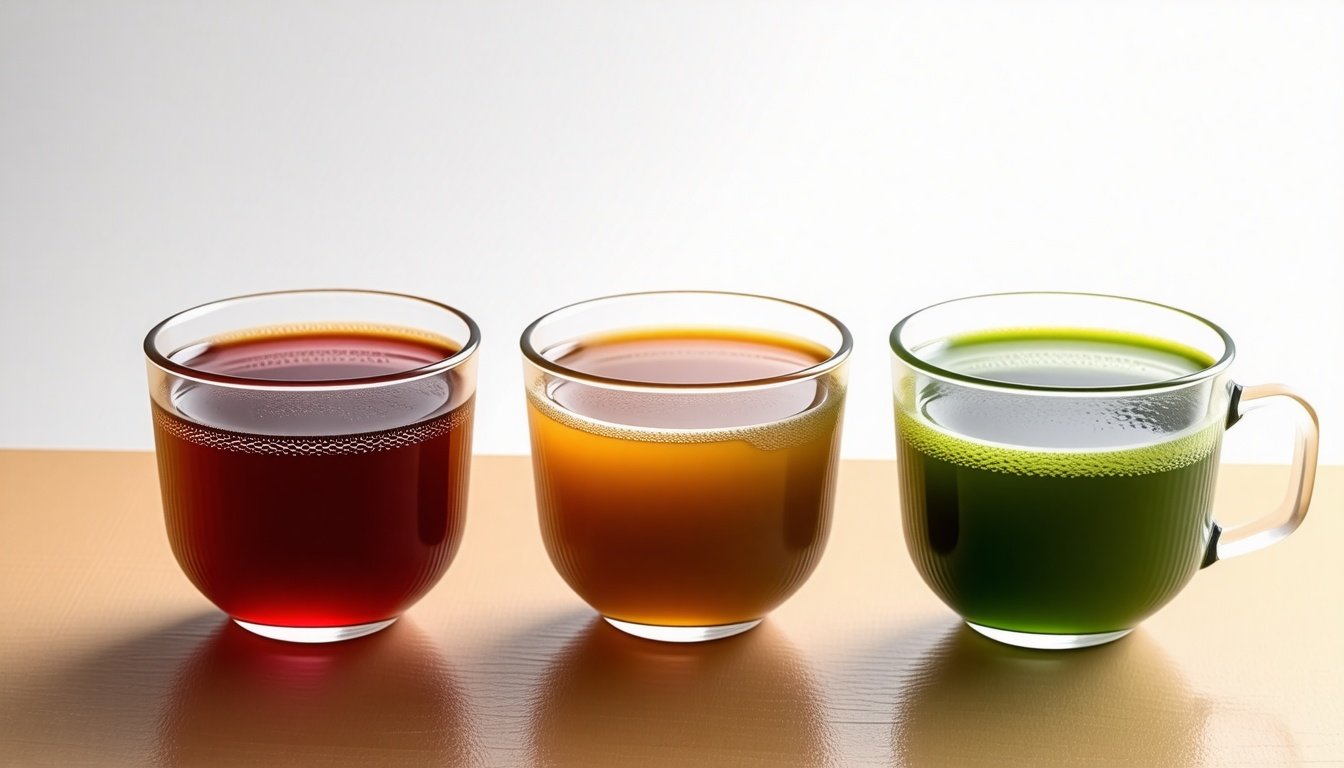
I never thought water could change my green tea experience. I mean, tea is tea, right? Leaves meet hot water, and boom—you get a warm cup of calm. But nope. Turns out, the water you use is basically a secret ingredient that can make or break your entire tea moment. I found this out the hard way after buying a fancy pouch of delicate green tea leaves, steeping them as usual, and ending up with a cup that tasted…off. Bland, almost sad. A green tea tragedy.
So, I started paying attention. Really paying attention. To my water. Because green tea does not like to be ignored or treated like a basic chore. It wants respect, and the water matters. After testing different types of water—from tap to mountain spring—I realized each one paints its own story in my teacup. If you think your water is just water, I have some stories and steamy lessons to share. Grab your favorite mug; let us chat about how water transformed my green tea game.
Why Water is More Than Just Water
We often think about tea leaves and temperature when brewing green tea. But here is the kicker: water is the canvas upon which your tea paints its flavor. If the canvas is rough, dirty, or dull, even the most exquisite tea leaves will struggle to shine. Water carries minerals, chemicals, and even subtle tastes that sneakily mix with your brew.
The funny thing is, most of us trust our tap water like an old friend. But it can be filled with chlorine, minerals like calcium or magnesium, and other stuff that messes with delicate tea leaves. It is like inviting a loudmouth to a whisper party.
Once I started paying attention, I realized that even small changes to the water altered my tea’s taste, clarity, aroma, and mouthfeel. Suddenly, I was on a little adventure to find the “perfect” water for my green tea cups.
The Usual Suspects: Different Water Types I Tried
Here is a quick lineup of the water types I dabbled with. Each one felt like a character at my tea party, bringing its own vibe:
- Tap Water: The everyday, go-to water in most households.
- Filtered Water: Tap water passed through a filter to pull out chemicals and some minerals.
- Spring Water: Water bottled at a natural spring, often rich in minerals but fresh.
- Distilled Water: Water stripped clean of virtually everything through boiling and condensation.
- Mineral Water: Water bottled with added minerals for taste and sometimes therapeutic qualities.
- Rainwater: Yes, I went full hipster and collected fresh rain (clean, before it hit the ground!).
Each water type made my green tea taste different. Some better, some… not so much.
Tap Water: The Unseen Intruder
My first attempts with tap water were messy. Not because of bad water, but because the chlorine taste crept into the tea. It was not gross, but the tea felt muted, lacking that fresh, grassy vibe green tea is famous for. The kind of taste that makes you close your eyes and smile.
Chlorine is used to kill germs in public water, which is great for safety but a nightmare for green tea. That chlorine smell and taste sneak in like an uninvited guest crashing your zen session.
What about hard water, you ask? It contains high levels of calcium and magnesium. I discovered my tap water was slightly hard, which caused the brew to be bitter and chalky, a bit like sucking on a metal spoon without the fun.
Fixing Tap Water
I got a simple water filter pitcher. The difference? Night and day. The filtered water removed chlorine and softened the mineral content enough to revive the herbal, sweet notes of green tea. I felt like a wizard discovering the magic behind a clean stream for the first time.
Filtered Water: The Safe Middle Ground
Filtered water is like a polite friend who clears their throat before speaking. It smooths out unpleasant notes and lets the tea talk. My filtered water was a reliable standard. The taste was clean without weird aftertastes, and the tea’s natural flavors appeared brighter.
But filtered water is not perfect. Some filters only remove chemicals and leave minerals behind, so the experienced tea drinker could still notice slight bitterness or dullness depending on water hardness.
Spring Water: Nature’s Invitation
Spring water was a revelation. Crisp, slightly mineral-rich, but balanced in a way that felt like a gentle hug for the tea leaves. Brewing green tea with spring water gave me aromatic cups bursting with floral, grassy notes and a smooth finish.
Why? Because spring water has minerals like calcium and magnesium in moderate amounts. These minerals support extracting flavors without going overboard into bitterness. Plus, it usually has a natural pH balance perfect for tea.
But not all spring water is equal. Some brands are too mineral-heavy, which can overpower delicate green teas. I kept tasting samples from different bottles before finding my favorite.
Distilled Water: The Blank Slate
Distilled water is about as empty as water gets. It is like a blank canvas with no color. This felt strange to me at first because the tea tasted a little flat, lacking character and body. It was like meeting someone who never smiled—technically correct but no fun.
Distilled water lacks minerals, which help bring out depth and sweetness in tea. Without them, the green tea lost some soul, tasting watery and faint. I liked the idea of pure water but realized tea deserves complexity.
Mineral Water: The Flavor Booster or Risky Business?
I was curious about mineral water. Some fancy bottles boast added magnesium, calcium, and other goodies. With some blends, the green tea became richer, smoother, with a mild sweetness and a fuller body. It was like tea with a pinch of fairy dust.
Then, I tried one brand with too much fizz and minerals, and the tea tasted harsh, metallic, and weirdly fizzy—not in a fun way. Lesson: too much mineral content can fight with delicate tea leaves and ruin balance.
Rainwater: The Hippie Experiment
I collected fresh rainwater from my balcony, filtered it through a cloth, and boiled it for my tea. It was surprisingly delightful! The tea brewed with rainwater tasted clear, light, and pure. No harshness, no weird aftertastes. It felt like drinking early morning dew on fields of green tea bushes.
Still, rainwater can be risky if collected carelessly because it can contain airborne pollutants or dust. So only collect if you trust the environment, or better, use it after proper filtration and boiling.
How Water Quality Changed My Steeping Method
Not all teas react the same with every water type. Once I understood water’s role, I adjusted my steeping style too. Softer waters like distilled or rainwater made me extend steeping time a bit to bring out more flavor. Hard waters needed shorter steep times or cooler temperatures to avoid bitterness.
For instance, with spring water, I enjoyed higher temperatures around 80–85°C (176–185°F) and a 2-3 minute steep. But with tap water or hard water, I lowered the steep time to under 2 minutes and slightly reduced temperature.
It felt like learning a new language where water and steeping times dance together to find the perfect harmony.
Specialty Green Teas and Water Matchups
The greener and more delicate the tea, the more water matters. For example:
- Sencha: Loves soft, clean water. Spring or filtered water work beautifully.
- Gyokuro: Ultra-delicate. Needs pure, low-mineral water like distilled or spring with low mineral content.
- Matcha: Since you whisk powder directly into the water, water quality affects texture and bitterness hugely. Filtered or spring water helps keep it smooth.
- Longjing (Dragon Well): Pairs well with balanced water—mineral water with moderate calcium enhances its chestnut notes.
Practical Tips for Choosing the Right Water for Your Green Tea
- Check your tap water: If it smells or tastes like chemicals, consider filtering it.
- Use a filter: A simple pitcher filter can make a big difference.
- Try spring water: Pick brands with moderate mineral contents to boost tea flavor.
- Avoid hard water: Too many minerals cause bitterness and cloudiness.
- Experiment with distilled water: Use it if you want a mild, very clean cup. Add minerals back if you want.
- Beware of overly fizzy or mineral-heavy bottled water: It can overpower green tea.
- Adjust steeping time and temperature according to your water: Softer water, longer steep; harder water, shorter steep.
- Consider rainwater if you have access and safety: It can give a fresh, unique taste.
The Emotional Side of Water and Tea
More than just the science, learning about water changed how I feel about my daily cup of green tea. It became a small ritual, a moment to slow down, appreciate tiny details, and get curious about nature’s subtleties.
Every sip became a reminder that even the most ordinary things hide secrets if we look close enough. Water, leaves, heat—combined with a bit of care and curiosity—can make something simple feel special.
It also made me more patient and forgiving. Sometimes water is off, tea is bitter, or life is messy. But knowing I can tweak one little thing—the water—gives me hope that better moments are always within reach.
Final Thoughts That Sneak Up on You
If you ever feel frustrated with your green tea, before blaming the leaves, take a moment to check your water. It might just surprise you how much your daily brew shifts with a different water source.
In the end, finding your favorite water for green tea is a fun, tasty journey that turns ordinary tea time into a little celebration of discovery. And hey, if it helps you slow down and smile, it is worth every sip.
Here is to your next cup—may it sparkle with good water and even better moments.