
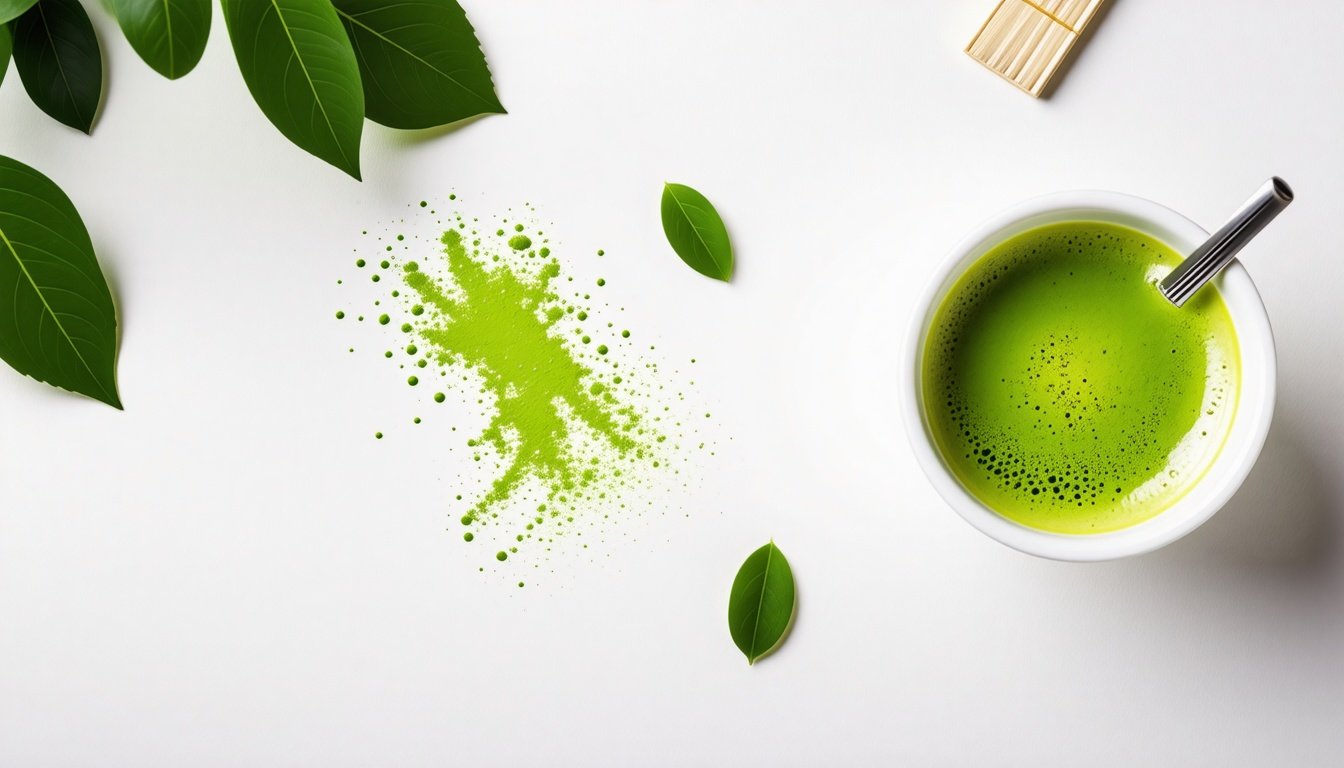
I am not going to lie: when I first got my hands on a fancy bamboo whisk—known as a chasen—I felt like I had just been handed the golden ticket to matcha heaven. Whisking that bright green powder into a frothy little cloud of earthy goodness seemed like an art form reserved for monks or Instagram influencers who wake up before dawn. Spoiler: I am neither a monk nor a morning person. And honestly, a fancy whisk was far from being in my budget or kitchen drawer. So I had a problem. How was I supposed to make smooth, lump-free matcha without looking like I was trying to dissolve a green powder bomb in hot water?
After a few messy trials, fizzles, and green-stained shirts, I found a way. A way so simple, it feels like a secret that everyone else forgot to tell you. If you ever stared at that tiny green jar, wondering if you could ever make matcha at home without the whole traditional setup, this story is for you.
Why Matcha Is Worth The Fuss
Matcha is okay if you want a regular cup of tea. But it is so much more than that. It tastes like fresh grass, a little sweet, a little bitter, and every sip comes with a boost of energy that feels different from coffee. It is smooth; it is powerful, and it feels like a small ritual when done right. The problem? Matcha powder is tricky. It clumps. It sticks. It can become gritty or bitter if not handled well.
I knew I wanted that rich, foamy cup that you get in fancy tea shops. But without the bamboo whisk, the frothy magic seemed impossible.
Getting Off On The Wrong Foot: My Early Matcha Mishaps
Attempt number one looked like one big green glob. I scooped the powder, poured hot water, and stirred with a spoon. Big mistake. Ended up with a chunky mess that I nearly spat out. It was like slurping up muddy soup.
Then I tried shaking it in a jar. Nope, still chunky and weird. I got frustrated and stared at my small bamboo whisk sitting on the shelf, untouched because it looked intimidating. I knew I had to figure something else out.
Here Is The Good News: You Do Not Need A Bamboo Whisk
If you do not have a chasen, do not panic. You have everything you need in your kitchen right now. No fancy tools required. After lots of playing around, I discovered a few simple hacks.
1. Use A Small Jar With A Tight Lid
Grab a glass jar or a mason jar with a lid that seals tight. It does not have to be perfect; even a peanut butter jar with a lid can work.
- Put your matcha powder in first. I use about one to two teaspoons, depending on how strong I want it.
- Add a splash of hot water—just enough to cover the powder. Hot, but not boiling. Around 175°F (80°C) if you have a thermometer, or just water that feels hot but comfortable to touch.
- Close the lid tightly.
- Now comes the fun part: shake, shake, shake. Harder than you think you need to.
In about 30 to 45 seconds of good shaking, you will notice the powder dissolving. You get a lovely foam on top, like little green clouds. No lumps. No fuss.
2. The Jar Method Gives You Control
The great thing about the jar is that you can see what is happening. If you spot lumps forming, just keep shaking. Want more froth? Shake more. It also keeps your hands clean, unlike whisking, where you risk spraying matcha all over your counter.
3. Do Not Skimp On Sifting
Matcha powder tends to clump because it absorbs moisture. Before you toss it into your jar, sift it through a small fine sieve if you have one. You will be amazed at how much smoother your cup becomes. If you do not have a sieve, gently tapping the powder down with a spoon helps.
What If You Want To Use A Spoon Or A Fork?
Yes, it is possible. I tried twisting a fork like a tiny mixer, but only minor success. A regular spoon? More like a stubborn enemy. Mixing with a spoon is slow and results in a gritty drink if you are not careful.
Here is a trick that worked: start by mixing the matcha powder with just a tiny bit of water into a thick, smooth paste. This step helps break up clumps. Like making a green dough. Then add the rest of the hot water slowly while stirring vigorously. It is messy but manageable for small batches.
My Recommendation
If you do not want to invest in a bamboo whisk or do not have the space for one, use the jar method. Trust me, it feels a bit like shaking a cocktail—except for the peaceful, Japanese tea vibe and none of the hangover.
What About Temperature? Does Hot Water Matter?
Yes, yes, a million times yes. Boiling water burns matcha, making it taste bitter, harsh, and a little… well, sad. Hot but not boiling water is the sweet spot. It coaxes out the delicate flavors and keeps the texture smooth.
If you do not have a thermometer and no fancy kettle, no stress. Just boil your water, then let it sit for a minute or two before pouring over your matcha.
Why Does Whisking Matcha Matter So Much?
When you whisk matcha properly, you break up clumps and mix air into the liquid, creating a frothy top layer, almost like a green foam crown. This foam makes your matcha feel creamy and rich.
But here is the thing: the foam is just the cherry on top. The real hero is making sure the powder dissolves fully, so every sip is smooth, not grainy. And that can happen with a jar and shaking if you ask me.
How I Enjoy My Smooth Matcha
After conquering my initial struggles, I now start most mornings with a glass jar, matcha powder, and hot water. Sometimes I add a splash of oat milk or almond milk for creaminess. Others, I let it be—pure and bold.
I sip slowly, often watching the light change in my kitchen or listening to a quiet song. It feels like a small act of kindness to myself, a way to slow down, even if just for a moment.
And if you think about it, that is what specialty teas are really about, right? Not just flavor, but a moment, a mood, a tiny ritual that centers you.
Extra Tips To Level Up Your Matcha Game Without Fancy Tools
- Store your matcha properly. Keep it in an airtight container, away from heat or light. Matcha loses its charm fast if it is not fresh.
- Use quality matcha. Not all powders are created equal. If it looks dull green or yellowish, it might not taste great. Look for bright emerald green.
- Try cold matcha. Mix your matcha with cold water and ice for a refreshing twist. The jar method works perfectly here too.
- Be patient with your first few tries. Matcha takes practice, but it is worth it.
Final Thought
Making smooth matcha without a fancy whisk does not need to be complicated. It is okay if your first cup is less than perfect. Mine were too. What matters is you showing up, trying, and finding your own little ritual. The jar shaking method might not be traditional. It might raise a few eyebrows among tea purists. But if you want a green cup of joy that feels like a hug from the inside without buying complicated gear, this method will become your best friend.
Go on, dig out that matcha, grab a jar, and shake your way to a smoothly delicious cup. You might even smile halfway through and think, “Why did I ever think this was so hard?”