
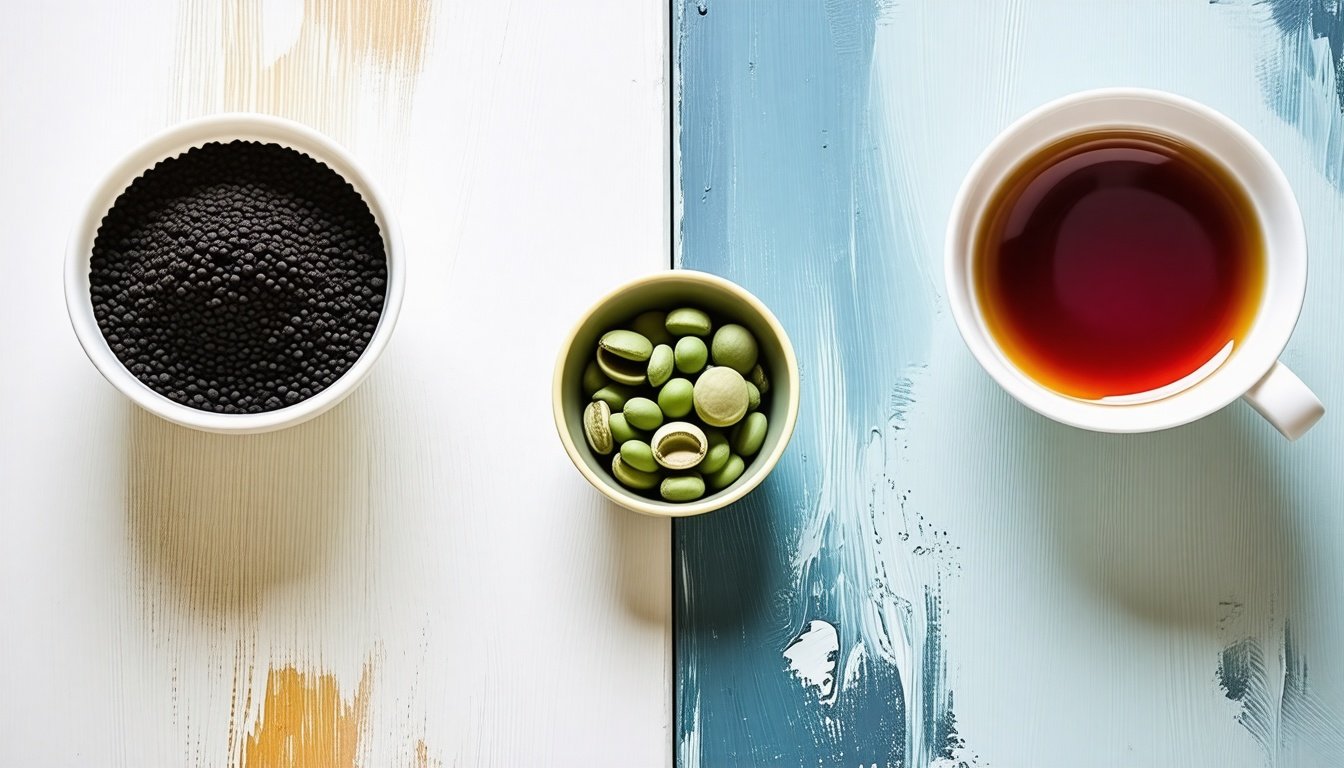
I have always thought of tea as a gentle hug in a cup. There is something about the warmth, the subtle aromas, and the way the flavors unfold that turns a simple drink into a quietly powerful ritual. Yet, even within this comforting world of tea, I found myself at a curious crossroads: should I choose strong black tea that punches me awake, or lean toward a lighter brew that soothes my nerves? It took a little adventure—and a lot of cups—before I found the balance that worked for me. If you have ever stood in front of a shelf full of black teas, wondering why they all look the same but promise wildly different experiences, you just might get where I am coming from.
Why Black Tea? The Backstory
Maybe it is the caffeine addict in me, but black tea quickly became my go-to drink. Unlike coffee, it felt smoother, less harsh on my stomach, and way more versatile. You can sip it hot or cold, add milk or lemon, and tweak it to suit the mood. But black tea is a whole universe on its own.
When I started paying attention, I noticed that black teas vary a lot—from bursts of malty energy to whispers of floral brightness. Strong black teas like Assam hit your palate like a well-delivered punch, while light black teas such as Darjeeling feel like the tea equivalent of a morning stretch. This variety made me curious: why does strength matter so much? How does it change the tea experience?
The Strength Spectrum: What Does “”Strong”” and “”Light”” Even Mean?
Strong black tea often means more caffeine and bolder flavors. It can feel like drinking a cup full of autumn leaves, roasted chestnuts, or even dark chocolate. Light black tea, on the other hand, is delicate, almost floral. Its flavors are soft and nuanced. Brewing techniques play a part, too—steeping time, water temperature, and leaf quantity all tweak the intensity.
When a friend described her favorite Assam tea as “”liquid energy,”” I knew exactly what she meant. After a single sip of my usual Darjeeling, she described it as “”gentle sunshine.”” Both were black teas, but their personalities were completely different.
My First Encounter with a Strong Brew
I remember the first time I brewed a really strong black tea. I used loose Assam leaves, tossed them in hot water that had just boiled, and let the magic happen for five full minutes. The aroma was intense—almost smoky. When I took my first sip, my eyes practically opened wider by themselves. No gentle hello there; this tea demanded attention. It was like gulping down a cup full of brisk morning energy, racing pulse, and a tiny kick to the chest.
But soon, that strength became a little much. My tongue tingled. My throat felt scratchy. And halfway through my second cup, I felt jittery—kind of like the feeling after too many sugary sodas, but without the fun. I had oversteeped, and my body was telling me loudly: slow down.
Light Black Tea: My Slow Love Affair
After my overwhelming experience with strong tea, I decided to play it safe. I tried a Darjeeling that looked light and pretty in the package. I steeped it for three minutes in water just off the boil and decided to drink it plain—no milk, no sugar.
That first sip was surprisingly gentle. It was neither bitter nor harsh, but tender like a secret whispered in the garden. The flavors unfolded slowly, with hints of muscatel grapes and fresh hay. It was perfect for a quiet morning, when the world felt soft and new.
I started looking forward to this light black tea ritual. It felt like a conversation rather than a confrontation. No rush. No chaos. Just calm moments poured straight from the cup.
Finding the Sweet Spot: Not Too Strong, Not Too Light
Still, there were days when light tea felt underwhelming. I wanted a bit of fire, a wake-up call without the chaos. So, I played around with steeping times and tea amounts. One cup was a teaspoon of Assam for three minutes, the next was two teaspoons of Darjeeling for four minutes. The variations helped me understand how flexible black tea can be.
Eventually, I found a balance that felt like a friendly nudge rather than a harsh shove. Using a medium-strength Assam, I steeped it for about three and a half minutes in water just off the boil. The flavor was rich but gentle. My energy lifted without feeling wired. My throat stayed happy.
Sometimes, I still swing toward the light Darjeeling, especially during lazy afternoons or when I want to wind down. Other times, a strong Assam is my battle cry for busy mornings or dreary days.
Tips from My Tea Trials
- Water Temperature Matters: Boiling water extracts more tannins, which can make tea bitter and strong. For light teas, slightly cooler water—around 85 to 90 degrees Celsius—works better.
- Timing Is Your Friend: Steep too long, and your tea turns bitter and intense. Too short, and it feels weak and lifeless. Three to five minutes is the sweet spot depending on what you want.
- Leaf Quantity: More leaves equal stronger brew. I found one teaspoon per cup good for light teas and one and a half or two teaspoons for stronger ones.
- Loose Leaves vs. Tea Bags: Loose leaves, especially whole leaves, let the flavors breathe and evolve. Tea bags often have crushed leaves that can lead to quicker but sometimes harsher brews.
- Experiment and Listen: Your taste buds know what they want. If your black tea feels too much or too little, adjust and make it your own.
Specialty Black Tea Varieties Worth Knowing
In my quest, I discovered that “”black tea”” is a broad category filled with fascinating characters. Here are a few I sugget trying if you want to understand the range of strong to light:
- Assam: Strong, malty, and bold. Perfect for mornings. Also great with milk and sugar.
- Darjeeling: Light, floral, with a fruity aroma. Often called the “champagne” of teas.
- Ceylon: Medium strength with citrusy notes. Very refreshing, great iced.
- Nilgiri: Smooth, fragrant, somewhere between strong and light. Easy to drink any time of day.
- Keemun: Slightly smoky with a winey flavor, medium strength. A nice treat for tea lovers who want something special.
Steeping Methods That Changed Everything
I used to think steeping was just dumping tea leaves in hot water and waiting. Boy, was I wrong! How you steep changes your tea life. When I switched to using a glass teapot with a built-in infuser, I started watching how the color deepened and how the smell changed over time. It felt like watching a little performance performed just for me.
Also, I learned that rinsing black leaves quickly with hot water before brewing can brighten the flavor and reduce bitterness. It was a game changer.
And yes, the vessel matters. Porcelain, glass, even cast iron—all subtly change the experience. I have a soft spot for a simple glass teapot because it lets me watch my tea bloom. It reminds me that patience makes the best brews.
What I Learned from Choosing Between Strong and Light
Tea, like life, is about balance. Sometimes you want bold and brash. Other times, you want soft and tender. The strong black teas are like that loud friend who shakes you awake when you forget to live. The light ones are those quiet moments that remind you to breathe and just be.
My experience taught me to listen—not only to my tea but also to my body and mood. Some mornings, a strong Assam wakes me up and readies me for the day’s challenges. Some evenings, a light Darjeeling wraps me in calm and helps me let go.
So, if you find yourself torn between strong and light black tea, maybe you are already on your way to finding your own sweet spot. Pour a cup, pay attention, and don’t be afraid to adjust. Your perfect balance is waiting in the leaves.
Go Ahead, Experiment
And remember, tea is not a test. It is a small adventure every time you brew a cup. Play around with different varieties and steeping methods. Try a strong black tea with milk and sugar. Try a light one plain or with a splash of lemon. See what feels good and what wakes your senses in a friendly way.
Trust me, the right balance between strong and light black tea does not show up on the first cup. It creeps up on you slowly, like steam curling from your mug on a quiet morning, and then suddenly, you realize that perfect sip has been there all along. You just had to find it for yourself.