
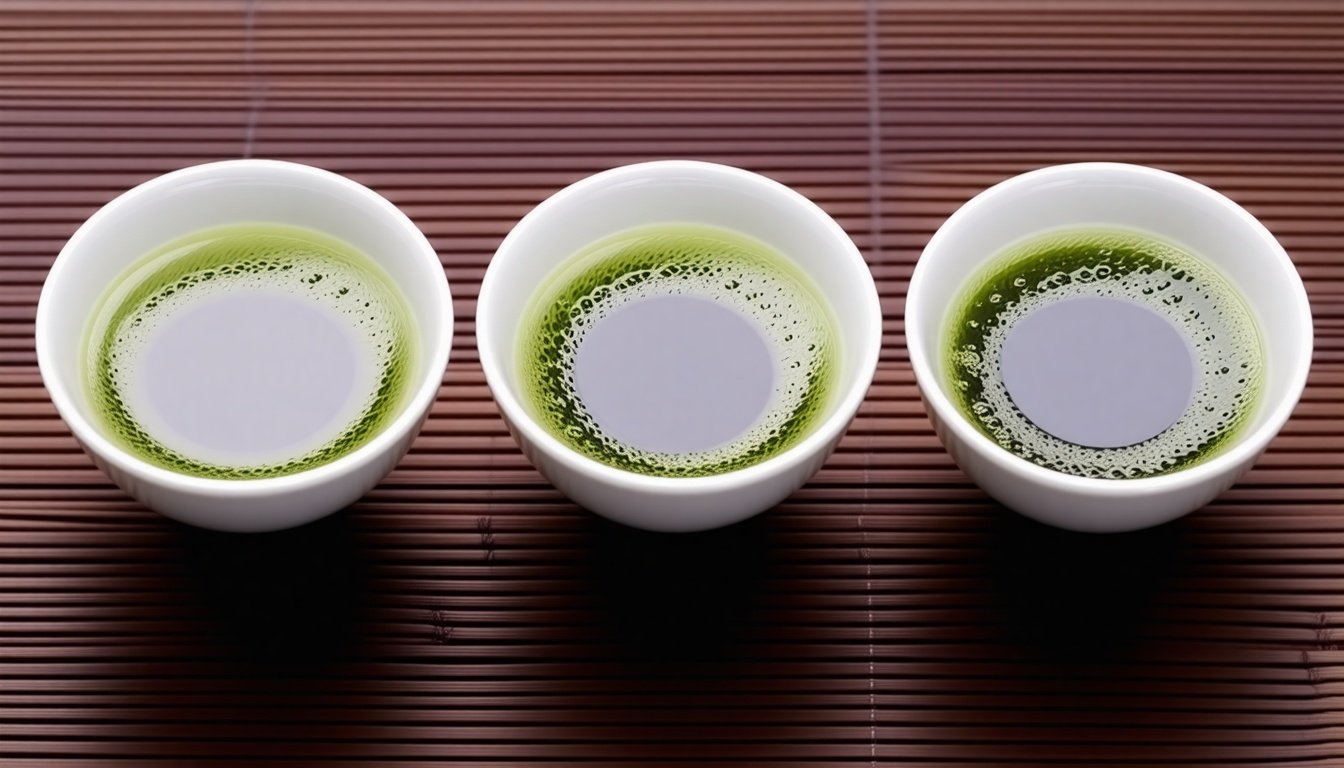
Okay, so here I was, standing in my tiny kitchen, armed with nothing but a bag of sencha and a timer. I figured, how hard could it be to brew a decent cup of green tea? I imagined a quick dunk, a few sips, and I would be done. Maybe even impressed with my newfound tea wizardry. Turns out, sencha and I had a little lesson planned. Brewing this Japanese green tea with different steeping times was like opening a door to a whole new world—a surprisingly rich, sometimes surprising, and always curious one.
If you have ever brewed sencha before, you know it does not behave like your average tea bag from the grocery store. It asks for tender love and care. It wants you to respect its leaves and time. It does not forgive impatience or haphazard judgment. Spoiler: I learned this the hard way.
The Setup: What I Started With
Before getting into the different steeping times, a quick note about sencha itself. This green tea is steamed shortly after harvest, locking in grassy, vegetal flavors but also leaving a fresh, bright edge. It is the everyday tea in Japan but with a personality that demands more than just boiling water poured recklessly over leaves.
I chose a middle-tier, loose-leaf sencha (nothing too fancy, but not the cheapest either). I used filtered water heated to about 75 degrees Celsius (170 Fahrenheit). Why so cool? Sencha does not like boiling water—it can get bitter fast.
With my leaves measured (about two teaspoons for 200 ml), I started timing the steeps: 30 seconds, 1 minute, 2 minutes, and 3 minutes. Why these? I wanted to see how each length would shift the tea’s mood.
30 Seconds: The Quick Hello
The first cup was a quick dip—30 seconds. Honestly, I thought the tea would barely show up. But nope. The leaves barely had a chance to loosen up, and what did come out was bright but so subtle it felt shy.
The color was pale yellow-green, almost like the tea was whispering, “Hello, I am sencha.” On the tongue, it was soft, almost watery but with a gentle grassy sweetness. There was no bitterness or sharpness. Just a quiet presence that said, “Take your time.”
Funny thing: this tea felt like the polite kid in class who doesn’t want to make waves but gets your attention anyway. If you like your tea light and easy, this might be the way. But I wondered if it had more to offer.
1 Minute: A Comfortable Chat
Next up was a one-minute steep. The tea color deepened to a lovely spring green. The scent became a bit more alive—like smelling fresh-cut grass on a sunny morning.
Taking a sip, I noticed the tea had more body now. It was still smooth, but there was a subtle hint of that characteristic umami creeping in. There was a faint touch of bitterness at the back, but it balanced nicely with a sweet aftertaste.
This cup felt like a comfortable chat with an old friend. You know, the kind where you start sharing just a little bit more, and it feels natural. The tea was still polite but no longer shy.
2 Minutes: The Bold Friend
Two minutes was where I started noticing a real change. The liquid turned a richer green, and the aroma carried a more pronounced vegetal note. There was almost a faint roasted smell peeking through, which surprised me since sencha is steamed, not roasted.
The flavor punched up—there was a bitterness that hit early but was quickly smoothed by the umami and a lingering sweetness. It was like the tea was saying, “Hey, I have layers. You thought I was simple?”
At this point, I had to admit this cup demanded attention. It was no longer background music; it was the lead in the band. Perfect for when you want a little kick but still enjoy complexity.
3 Minutes: The Brash One
When I let the leaves steep for three minutes, things got dramatic. The color was intense—dark green with hints of yellow—almost shouting from the cup. The first sip hit my tongue with an assertive bitterness that was tough to ignore.
Honestly, it felt a bit harsh. Like a loud conversation happening too close. There was still umami there, but it was playing second fiddle to the sharp, grassy sharpness. And, no, I did not drink it quietly; I grimaced a little.
But here is where my feelings got complicated. Yes, it was bitter, but it also had this boldness that some tea lovers might crave. Like a slap in the face that wakes you up in the morning. If you like your tea screaming “Hello!” in your mouth, the three-minute brew is your jam.
What I Learned About Patience (and Impatience)
One thing became clear: sencha asks for patience, but it also rewards restraint. Letting it steep too little, and you miss the complexity. Steeping too long, and bitterness takes over like a grumpy neighbor. Somewhere in the middle lies the sweet spot, and that spot can shift depending on the season, the batch of tea, even your mood.
Also, the temperature and amount of leaves matter. For instance, if I raised the water just a notch hotter, even the one-minute steep got bitter. If I used more leaves, everything felt stronger and sometimes too much.
It is a little dance, really. You have to pay attention. Taste in between. Tinker. Adjust. When I started rushing, the tea got bitter. When I slowed down, I found comfort.
Side Note: The Second and Third Brews
Sencha is like a good movie—you get a few sequels that are still worth watching. After the first steep, I poured the leaves out and poured new water for a second and third brew.
- Second brew: The flavors were lighter, more delicate. The umami softened, and the bitterness was barely there. A nice gentle reminder of the first cup.
- Third brew: By this time, the flavor was faint but still grassy and fresh. A good sipper for when you want mild caffeine that won’t flop your day.
This taught me that sencha is generous. Even if your first cup is a little off, the later ones might surprise you. It also means you can stretch your tea budget if you brew carefully.
What Does This Mean for Your Next Cup?
If you want to get into sencha or other green teas, I suggest playing with steeping times like I did. Not because it is complicated but because it teaches you about taste and attention to detail.
Here are a few quick tips from my brewing experiment:
- Try a short steep first: Start at 30 seconds to one minute. You might enjoy the lightness and find it refreshing.
- If you like something stronger, go longer: Two minutes or so brings out deeper flavors but watch for bitterness above three minutes.
- Use cooler water: Around 70-75 degrees Celsius keeps bitterness at bay and encourages sweetness.
- Measure your leaves: Too many leaves can overwhelm the cup quickly.
- Experiment with multiple brews: Sencha leaves can give you two or three cups, each with shifted flavors.
Why I Fell in Love With The Process
At first, I thought brewing tea was about grabbing a cup and pouring hot water. Then I realized brewing sencha is like a conversation. It changes depending on how long you talk, what temperature your voice carries, and how open you are to listening.
This experiment pulled me out of autopilot. I slowed down. I measured. I sipped carefully. It made me present. It reminded me that some things—good things—take time and attention.
Plus, it was kind of fun to geek out over what a little loose leaf tea could do. Who knew a simple plant could have so many moods?
Final Thoughts (Because We All Like Those)
If you have a bag of sencha sitting around, or if you are thinking of giving it a try, I encourage you to experiment with steeping times. Be playful. Drink more than one cup. Notice the difference each time.
Tea is not just a drink. It is a ritual, a moment, a tiny break in your day to check in with yourself. And sometimes, it is the bitter moments—the ones you never wanted—that end up teaching you the most.
So the next time you make yourself a cup of sencha, do not just throw the leaves in and hope for the best. Take a deep breath, set a timer, and see what happens. Your taste buds might thank you, and your soul just might find a quiet smile hiding in that green glow.