
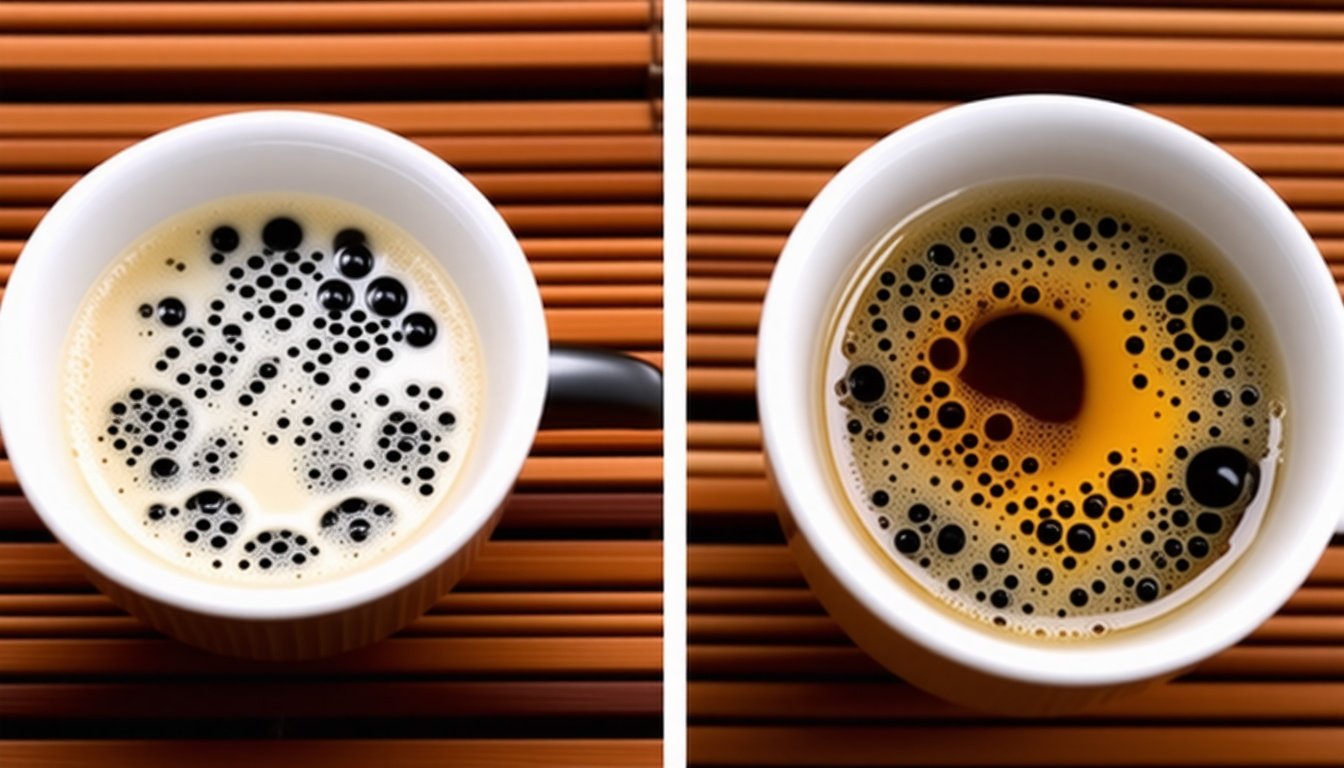
White tea is like that shy, mysterious friend you meet at a party—quiet, subtle, and a little elusive. It does not shout for attention like black tea or boast bright colors like green tea. Instead, it whispers, inviting you to slow down, to savor each note, each breath of flavor. But here is the twist: the way you brew white tea, especially the temperature of your water, changes everything. It is not just about pouring hot water and waiting. No, that delicate leaf needs a gentle touch.
Why Water Temperature Matters More Than You Think
Imagine dipping a fragile flower into a pool of boiling lava. Would it survive? Probably not. The same goes for white tea leaves. They are the youngest, most tender leaves, often just buds, picked before they fully open. That delicate nature means they respond dramatically to heat. Too hot, and you scorch those tender leaves. Too cool, and you might never unlock their subtle charm.
Water temperature is like a secret code for unlocking different flavors in tea. For white tea, it is especially important because the leaves themselves carry a natural sweetness and a light floral aroma that higher temps can ruin.
So What Happens When You Use Boiling Water?
Pouring boiling water—about 212 degrees Fahrenheit—over white tea is like throwing a fancy vase against a wall. The fragile leaves get shocked, bitterness bursts out, and all those gentle floral and fruity notes turn dull or even harsh. You get a brew that feels a bit like chewing on old leaves, with almost no sweetness or complexity left. It can be a letdown, and suddenly you wonder, “Is this the white tea I heard so much about?”
Boiling water extracts more tannins, those compounds that can make your cup taste bitter and astringent. While tannins add body and structure to black tea or strong greens, in white tea they just ruin the party. The delicate balance tips into unpleasant territory. Your first sip? Probably a shock. Not the gentle hug you were expecting.
What About Lukewarm or Just Warm Water?
Now, using water that is too cool—like warm bath water around 120 degrees Fahrenheit—does not quite get the job done, either. The tea hardly wakes up. You might get a very pale color, almost like watered-down tea. The flavor is faint, watery, and you might have to steep it forever to catch even a whisper of its character.
It is kind of like trying to nudge a sleepy kitten awake with a feather. You get a response, but it is not quite vibrant. You can sip it, but it lacks the lively, bright notes you want. It is better than boorish bitterness, sure, but still not the wow factor.
Finding That Sweet Spot: The Magic Range for White Tea
The golden temperature range for brewing white tea sits comfortably between 160 and 185 degrees Fahrenheit. This is where the magic begins. The water is hot enough to coax out the tea’s gentle sweetness, the floral aromas, and a mild fruity tang, but not so hot that it burns the leaves into bitterness.
Steeping white tea in this range is like catching the perfect sunrise—soft, warm, full of promise. It feels like your senses are being gently caressed rather than shocked awake. The texture becomes silky, the flavor clean, and the aftertaste lingers like a pleasant memory.
How to Measure This Without a Fancy Thermometer?
- Boil water and then let it cool for a few minutes.
- Watch the bubbles: lots of small bubbles rising slowly means the temperature is around 160 to 180 degrees.
- Once you see steam but no rolling boil, you are probably in the right spot.
- Pour gently over your tea leaves and give it about 2 to 5 minutes of steeping.
It is not rocket science, but it helps to pay attention. After a few tries, you become a white tea whisperer, able to tune into those subtle changes in heat and flavor like a tea sensei.
Why Does White Tea Behave Differently Than Other Teas?
White tea is the most minimally processed member of the tea family. Think of it as the baby sibling who still wears pajamas while the rest of the family is dressed for a party. It is just picked, wilted, and dried. No heavy rolling or firing. This means the leaves retain more natural compounds, fragile oils, and a delicate cellular structure.
Those delicate leaves are full of antioxidants, gentle amino acids, and natural sugars that need care. When brewed right, white tea is like a green meadow in a cup—fresh, calming, and subtly sweet. Heat it too much, and those delicate compounds are damaged or masked.
Contrast that with black tea, which undergoes full oxidation and robust processing. Black tea’s structure can handle water boiling at 212 degrees without breaking a sweat. It actually thrives on it. White tea does not. It needs a softer handshake.
How Different White Teas React to Temperature
Not all white teas are created equal. Some are more forgiving, while others are sensitive divas.
- Bai Mudan (White Peony): This one handles a slightly higher temperature better, closer to 185 degrees. It has a fuller leaf and can stand a bit more heat to release its fruity, floral tones.
- Bai Hao Yin Zhen (Silver Needle): The most delicate, made from only buds, benefits from cooler temperatures, closer to 160-170 degrees. It is the whisperer of the white tea world.
- Shou Mei: A bit heartier and older leaves make it more robust, so you can push it toward the upper end of the temperature range.
Thinking about this might feel like decoding a secret recipe, but once you get to know your tea, it becomes less mysterious and more like a new friend with quirky preferences.
How to Brew White Tea Like You Mean It
Let us get practical. You have your tea leaves, your water, and your kettle. What now?
- Use fresh water. Tea tastes best when water is fresh and oxygen-rich. Avoid water that has been sitting in the kettle all day.
- Heat and then wait. Boil water, then let it rest for around 3-5 minutes depending on your kettle and altitude. This helps bring the water into that ideal 160 to 185 range.
- Use the right amount of leaves. A general guideline is about 2 grams or one teaspoon per 8 ounces of water.
- Steep gently. Pour the water over your leaves, cover, and wait 2 to 5 minutes. Too long, and bitterness may sneak in.
- Sip and tune. Taste as you go. If it feels too weak, nudge the temperature or steeping time up a bit. If it feels harsh, cool it down.
Look at you, turning into a tea artist! It is a simple process, but when done mindfully, it brings a moment of calm and ceremony to your day.
What You Will Notice When You Get It Right
When your water is just right, the tea tastes like sunshine on your tongue. You get sweet floral notes, a light honey touch, and barely there fruitiness. The color swims in pale gold, like morning light filtering through curtains.
The mouthfeel is soft, maybe even a little creamy, not sharp or dry. The lingering taste is calming, inviting another sip, then another.
If your brew feels heavy or bitter, that usually means your water is too hot or you over-steeped. If it feels watery or bland, you might want to raise the temperature a little or add more leaves.
Side Note: The Role of Your Teaware
Sometimes, how you brew impacts the temperature retention. Porcelain cups and glass teapots cool faster than thick ceramic ones. If you notice your tea cooling quickly and losing flavor, warm your gear first with some hot water.
Also, some people swear by using a gaiwan or small covered cup for white tea. It keeps the heat in just right and allows you to appreciate the delicate aroma better.
You and Your White Tea: A Partnership
Brewing white tea is not about rules etched in stone. It is a conversation. Your tea might behave differently depending on where it is from, how fresh it is, even the season you sip it.
Water temperature is like the tone of your voice in this conversation. Speak too loudly (too hot), and your tea tense up. Whisper gently (cooler water), and it opens up and shares its secrets.
By paying attention, by tasting mindfully, you learn not just how to make white tea but how to slow down, how to savor moments, how to enjoy small pleasures wrapped in leaves and water.
Try This Experiment
Grab some white tea and split your water into three batches:
- Boiling water at 212 degrees
- Water around 170 degrees
- Warm water around 130 degrees
Steep the same amount of leaves in each and taste. Notice how the flavors change. This little experiment is a fun way to learn and appreciate what white tea asks of you.
At the end of the day, white tea is gentle and unassuming, yet full of surprises. It asks patience and attention but rewards with a kind of quiet joy. And it all begins with the water you choose to pour.