
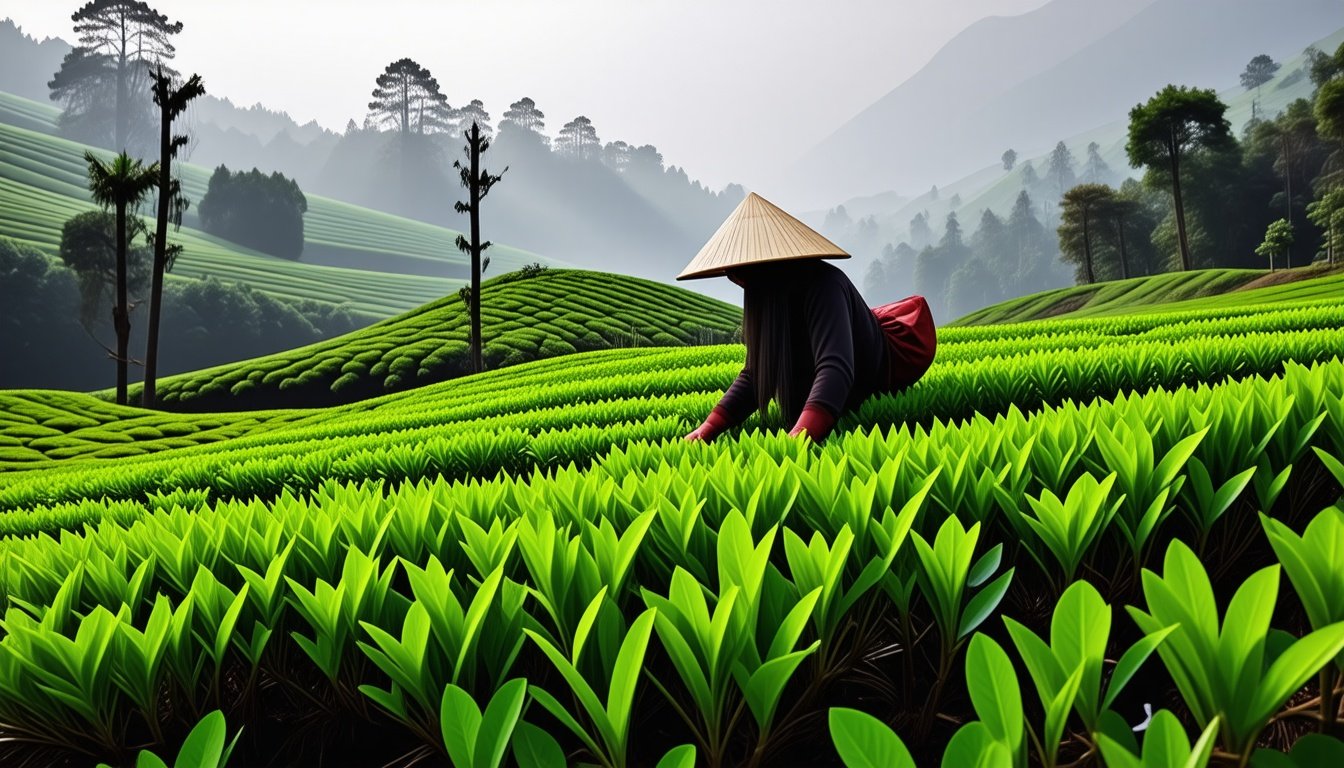
Let me tell you something about Darjeeling tea. It is not just a drink. It is a story in a cup, a little adventure your taste buds take with every sip. You might think, “Tea is tea. Hot water, leaves, done.” But no. Darjeeling tea asks you to slow down, pay attention, and listen. It whispers its secrets if you are patient. After spending years chasing its harvests, I have learned that brewing Darjeeling is more like a subtle art, an act that demands both respect and curiosity.
If you ever want to taste something that feels alive, that carries the misty hills of its birthplace and the early morning dew in its veins, Darjeeling is your companion. It is not shouting. It does not want to hit you with caffeine or overwhelm you with bitter regrets. It invites you to a quiet conversation. And once you have had even one cup brewed right, your idea of tea might change forever.
Why Darjeeling? Because it is Different
Darjeeling tea grows high up in the foothills of the Himalayas, where the air is thin and the clouds refuse to move away easily. This creates flavors in the leaf you will not find in your average black tea. It teases your senses with floral notes, hints of fruit, and sometimes, an almost musky, spicy warmth that lingers just enough to make you want more.
But here is the catch. Not all Darjeeling tea is created equal. People talk about first flush, second flush, autumnal harvest, and each carries its own personality. Brewing these varieties requires a slight change in your technique, otherwise, you might lose what makes them so special.
First Flush: The Bright Youngster
First flush sounds like an exciting event, and it is. It is the very first harvest of the year, usually plucked in early spring, when the plant is waking up from its winter’s sleep. These leaves are tender, light green, and full of promise. When brewed properly, the tea comes out soft, fresh, slightly astringent, with floral and vegetal notes dancing on your tongue.
If you steep first flush Darjeeling too long or use water that is too hot, you take away its charm. It will turn bitter and lose that delicate balance. Your goal is to tease the tea, not shove it into a corner.
Second Flush: The Bold and Fruity
Second flush happens in the early summer months. Here the tea leaves have matured a little more, and you get a richer, more complex flavor. This is the time when muscatel notes come alive — a sweet, grape-like essence that is just stunning. Steeping this tea requires more confidence. You can let it sit longer, and the water temperature can be bumped up just a bit. It rewards a gentle push with a stronger, deeper cup.
Autumnal Flush: The Quiet Goodbye
Before winter takes over again, autumnal flush leaves make a smaller but meaningful appearance. They are darker, often heavier, with a mellow body that feels comforting rather than exciting. Brewing them is simple but requires care so you do not end up with a muddy tasting brew. Less time, just enough heat — it is the tea version of a soft hug.
Water: The Quiet Partner in Your Cup
It is tempting to think that all water is the same. You might turn on your tap and pour. But water, my friend, is like the silent partner to your tea. Poor water can kill the best leaves you have.
Look for fresh, filtered water. If you have hard water loaded with minerals, it can drown Darjeeling’s subtle personality. The best water is clean, plain, and just as you want your tea to be — free and honest.
Temperature matters too. For first flush, hover around 175 to 185 degrees Fahrenheit — hot but not boiling. For second flush, nudge it closer to 195 degrees. Autumn flush? Somewhere in the middle.
Leaf to Water Ratio: Less is More
Here is a little secret that many tea lovers overlook. Using too many leaves is like over-seasoning your food. You lose the nuance. For Darjeeling, a general rule I follow is about one teaspoon of loose tea per cup (around 8 ounces of water).
This ratio gives the tea room to bloom and breathe. Overload your pot, and you get a bitter mess. Underdo it, and your tea whispers so quietly it gets lost.
The Dance of Time: Steeping Right
Timing feels like a tricky thing when you are new to brewing Darjeeling. Wait too short, and the tea feels weak, but wait too long, and the bitterness moves in like an uninvited guest.
- First flush: 2 to 3 minutes
- Second flush: 3 to 4 minutes
- Autumnal flush: 3 to 4 minutes, but keep an eye on the taste
I suggest a simple ritual. Watch the color of the liquor as it changes from pale gold to a richer amber. Smell it. Taste a drop. You are learning a language here, and it is beautiful.
Tools Matter, But Do Not Sweat It
I once spent a small fortune on fancy teapots and kettles, thinking they would make the difference. They do help, sure. A ceramic pot retains heat well, a glass one lets you spy on the leaves, and a stainless steel kettle boils water fast.
But truly, the heart of making good Darjeeling is your attention. If you have a mug or cup with a good lid, go for it. Even a teabag can hold its own, but that is a story for another day.
The Feel of the Leaves
When you hold Darjeeling leaves, fresh or dry, you get a feeling of their story. First flush leaves look bright and lively. Second flush ones feel stronger, a bit tougher. And sometimes the texture tells you more than any description can.
If you can, buy whole leaf, not dust or fannings. Whole leaves brew slowly and release their flavors gradually. They invite you to watch as they unfurl, releasing their personality like secrets waiting to be told.
Personal rituals and why they matter
Brewing Darjeeling is not just a task; it is a moment you carve out for yourself from the mess of the day. Over time, I realized that it is also about the little rituals — heating the water, warming the teapot, watching the leaves swirl, breathing in the aroma. When you slow down, tea turns into a friend, a moment of calm.
This is why sometimes I do not rush steeping times or worry about having exactly the right temperature. I listen to the tea, and it tells me when it is ready. That might sound silly, but after multiple harvests and many cups, it feels true.
What I have learned from multiple harvests
Darjeeling tea is a reminder of patience and care. Each harvest is a little different. The same plant, the same field, but the weather, the season, even the time of day changes the character of the tea.
Sometimes you get surprises — a leaf that tastes brighter or earthier. Some years are better for the first flush; others reward the second flush more. That unpredictability keeps me hooked. I want to see what this year’s leaves will bring, how my brewing will adapt, and how my taste will grow.
Tea is never just a drink
It is a memory, a mood, a companion through quiet mornings or thoughtful afternoons. Darjeeling, in particular, has taught me to slow down, to listen, and to enjoy small wonders hidden in simple things.
So next time you pour some Darjeeling leaves into your teapot, remember: you are not just making tea. You are taking part in a ritual thousands have enjoyed before you. You are playing with nature’s delicate balance and unlocking a tender story one steep at a time.
And if you ask me, that is pretty wonderful.