
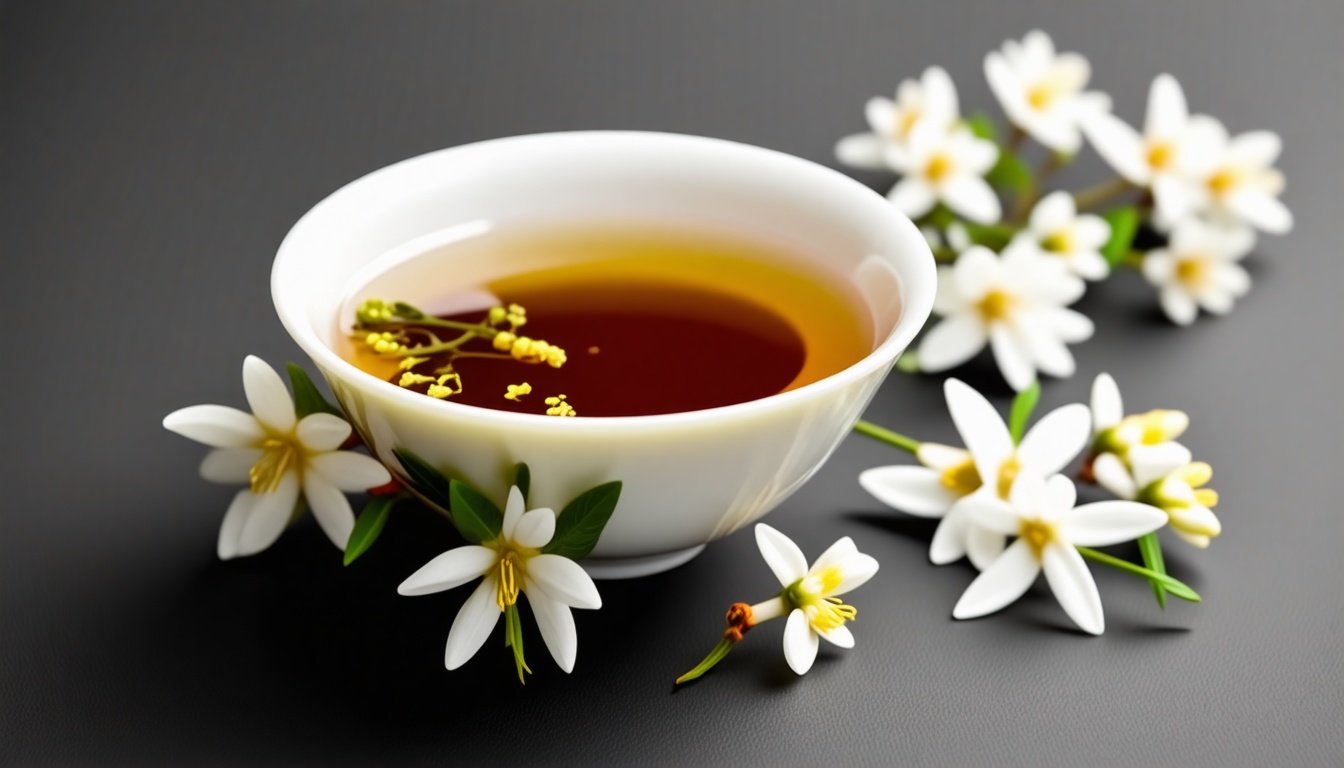
Have you ever taken a sip of something that instantly wrapped you in a hug? That is exactly how I feel whenever I drink jasmine tea. It is like stepping into a flowery garden without the bugs or the sunburn. Sure, I have tried many teas in my time, but jasmine tea holds a special corner in my heart—and my kitchen cupboard. It is comforting, aromatic, and the kind of drink you want to share with friends on chilly evenings or quiet afternoons.
Jasmine tea is not just a drink; it is a little story in a cup. A story that mixes the subtle bitterness of tea leaves with the delicate, sweet scent of jasmine blossoms. It is a tradition that spans centuries, giving us a sensory experience that is as charming as it is soothing. But what exactly makes jasmine tea so special? Why does it feel so different from your regular green or black tea? And, perhaps most importantly, how do you get the best out of this scented delight? Let me share my personal take on this fragrant brew and the wonderful world of scented teas.
The Heart of Jasmine Tea: A Marriage of Leaves and Blossoms
Jasmine tea is, at its core, green tea that has been scented with jasmine flowers. But it is not as simple as mixing dried jasmine petals into your usual tea bag. The process is an art form. Imagine delicate tea leaves lying on trays while fresh jasmine flowers bloom overnight nearby. When the flowers open, their scent floods the tea leaves, which absorb the aroma like thirsty sponges. This natural scenting process is repeated multiple times, sometimes over several days, depending on the quality of the tea.
Here is what blows my mind: none of that floral aroma is artificial. No added perfumes or flavorings. It is pure nature in a cup, captured through time and patience.
Scenting Techniques: How Jasmine Tea Gets Its Signature Aroma
- Traditional Layering: Fresh jasmine flowers and tea leaves are layered together and left to mingle. When the flowers wilt, they are removed, and fresh ones are added again. This cycle can repeat up to seven times.
- Mixed Scenting: Instead of layering, some producers gently roll jasmine flowers and tea leaves together, allowing the scent to transfer more quickly but sometimes less deeply.
- Artificial Scenting: A shortcut where jasmine essence is sprayed onto tea leaves, often for cheaper blends. The aroma here feels synthetic and less satisfying.
My advice? Avoid the last one. You want to smell real flowers, not lab chemicals.
Why Jasmine Tea Is More Than Just a Pretty Aroma
Tea is often about flavor, but jasmine tea balances taste and smell in a way that feels downright luxurious. The floral scent seduces your senses before the tea even touches your lips. When you sip it, the green tea’s natural grassy bitterness mellowed by the sweet jasmine creates a complex yet gentle flavor. It is fresh, soothing, and a little bit fancy, without trying too hard.
If you have ever felt stressed out or low on energy, a cup of jasmine tea can be like hitting the reset button. The scent itself might lift your mood, and the tea provides a gentle caffeine kick that does not make you jittery. For me, jasmine tea is what I reach for when I want calm but also need to be alert. It sits somewhere between meditation and productivity.
What Does Jasmine Tea Taste Like?
Good jasmine tea tastes like a soft breeze filled with sweet flowers drifting across a green field. It has these layers:
- Floral Notes: Definitely jasmine, fresh and sweet.
- Tea Leaf Base: Slightly sweet, sometimes grassy or vegetal depending on the tea base.
- Subtle Fruitiness: Some varieties bring out a pear or honey-like hint.
- Clean Finish: It does not leave behind any heavy or bitter aftertaste.
What many people do not realize is that the tea base matters a lot. Jasmine is most commonly paired with green tea, but there are also jasmine white teas, oolong, and even black teas. Each changes the personality of the jasmine fragrance.
The Secret to Brewing the Perfect Cup
Okay, so you have your jasmine tea. Now what? Holding a cup of jasmine tea is nice, but brewing it well is what makes or breaks the experience. What I love about jasmine tea is how forgiving it can be but also how it rewards a little care and attention.
Choose Your Tea Base Wisely
- Green Tea: The classic choice. It gives you freshness, a bit of grassy depth, and works beautifully with the jasmine scent.
- White Tea: Milder and softer. It makes jasmine tea lighter and more delicate, perfect if you want something subtle.
- Oolong: Has a richer, sometimes fruity base. Jasmine oolong feels more complex and a bit more robust.
- Black Tea: Rarer and stronger in flavor. Offers a bolder jasmine tea experience that might surprise you.
Water Temperature and Steeping Time
This part feels like a science class, but I promise it is easier than it looks. If you want your jasmine tea to taste like heaven, do not use boiling water straight from the kettle. Harsh heat can kill the delicate flavors and leave bitterness.
- Green or White Jasmine Tea: Around 175°F to 185°F (79°C to 85°C). Steep for 2 to 3 minutes.
- Oolong Jasmine Tea: Around 195°F (90°C). Steep for 3 to 4 minutes.
- Black Jasmine Tea: Near boiling temperature (around 205°F or 96°C). Steep for 3 to 5 minutes.
Yes, I am a bit of a tea nerd on this topic. But trust me, the difference is like night and day. Too hot or too long and your tea will turn bitter. Too cold or too short and it will taste watery and weak.
Use Good Quality Water
If your tap water tastes like, well, tap water, try filtered or spring water for your jasmine tea. Water quality matters. After all, tea is mostly water, so if the water tastes funny, it shows.
More Than Just a Drink: Jasmine Tea in Daily Life
My jasmine tea experience goes beyond the cup. It is little moments of peace, whether I am curled up with a book, halfway through a messy workday, or sharing stories with friends. It smells like comfort, tradition, and something timeless.
Sometimes I use jasmine tea for more than drinking. Did you know jasmine tea leaves can be great for skincare? When brewed into a cool tea, they make a nice face mist that refreshes and softens skin. The antioxidants from the tea help calm inflammation, while the scent lifts your spirits.
And at parties? Jasmine tea is a surprisingly elegant choice. I like to brew a pot, add a little honey or a slice of lemon, and watch guests’ faces light up with the smell and taste. It feels fancy without the fuss.
Pairing Jasmine Tea with Food
You might think, “Floral teas? What do I eat with those?” I asked the same. Turns out jasmine tea is pretty versatile.
- Light Snacks: Think steamed buns, fruit tarts, or simple cookies.
- Asian Cuisine: Jasmine tea complements many Chinese and Thai dishes, balancing out spicy or salty flavors.
- Cheese and Nuts: Mild goat cheese or almonds pair surprisingly well with jasmine’s floral notes.
- Morning Pairing: Oatmeal or lightly toasted bread with jam feels cozy alongside jasmine tea.
What to Look for When Buying Jasmine Tea
Not all jasmine teas are made equal. If you pick a cheap bag from the grocery store, you might end up with something that smells fake and tastes flat. Here are some tips from my own trial and error adventures:
- Check the Tea Base: Is it green tea, white, or something else? Think about what you prefer.
- Avoid Artificial Scenting: Look for words like “naturally scented” or “scented with real jasmine flowers.”
- Loose Leaf or High-Quality Bags: Loose leaf often means fresher, better quality. But some good jasmine teas come in pyramid bags, which give the leaves room to expand.
- Smell Before You Buy: If possible, smell the dry leaves. They should smell obviously floral, fresh, and not chemical or musty.
- Reputable Sellers: Specialty tea shops or trusted online vendors usually have better selections.
I learned this the hard way—buying a batch once that smelled like plastic made me sad for weeks.
The Emotional Pull of Scented Teas
Jasmine tea is more than its flavor or aroma. I think it hits a warm spot inside us. That scent triggers memories, feelings, or even daydreams. For some, it might remind them of childhood visits to a relative’s house or a sunny afternoon garden. For me, it lifts my spirits on tough days and invites me to slow down, even if just for a few minutes.
Have you ever noticed how certain smells can change your mood instantly? Jasmine tea feels like a gentle whisper to pause and breathe in the good stuff life offers. It is not just about drinking tea — it is about experiencing a little moment of kindness.
Try This at Home: My Simple Jasmine Tea Ritual
If you want to fall in love with jasmine tea, start small. Here is my personal ritual:
- Choose a high-quality jasmine green tea leaf (loose leaf is best).
- Heat water to just below boiling.
- Pour water over about one teaspoon of tea leaves per cup.
- Wait 2 to 3 minutes, no longer.
- Pour into your favorite mug or tea cup.
- Breathe deeply. Smell the tea before you sip.
- Take a slow sip, close your eyes, and enjoy the moment.
Sometimes I add a tiny bit of honey or a lemon wedge, but that is just me.
Jasmine tea is not just a beverage. It is an invitation to savor small pleasures. It is an ancient craft delivered fresh to your cup. And for anyone curious about scented teas, it might just be the perfect place to start.